
Quality green tea requires proper sourcing and storage. These 16 brands deliver authentic flavors.
From Japanese sencha to Chinese longjing, I’ve tasted options across price points and flavor profiles to find the ones worth your money — and your attention.
How Do I Choose the Best Green Tea?
Before you buy anything, a few factors are worth thinking through.
Quality
Quality is genuinely the make-or-break factor when choosing a green tea brand. Always read the reviews before purchasing. One bad review might be from a particularly picky customer; dozens of bad reviews is a genuine red flag worth heeding.
Caffeine Content
Green tea is a true tea, which means all varieties contain caffeine unless the caffeine has been specifically removed. Some people drink green tea precisely for its caffeine content as a coffee alternative; others are switching specifically to cut back.
Matcha and green tea powder sit at the high end of the caffeine spectrum since you’re consuming the whole leaf. A green tea blend that includes herbal teas will land much lower, since most herbal teas are naturally caffeine-free.
The Type Of Green Tea
Green tea is a broad category — there are several distinct varieties, including sencha green tea, matcha, jasmine green tea, and more. Some experimenting is usually necessary before you find your favorite.
Sencha suits people who enjoy savory, grassy flavors — it’s often compared to leafy greens like kale or spinach, which is either very appealing or very off-putting depending on who you are. Matcha, by contrast, is smooth and buttery with a richness that’s hard to find elsewhere.
Budget & Value For Money
Green tea, especially matcha, can get expensive quickly. With tea, you really do get what you pay for — a very cheap green tea tends to taste bitter, thin, or oddly burnt. That said, you don’t need to buy the most expensive option on the shelf. There are brands at mid-range price points that offer genuinely excellent quality and plenty of tea per purchase.
Functionality
Consider what you actually have available in your kitchen. No tea strainer? Skip loose-leaf for now. Interested in matcha? You’ll ideally want a bamboo whisk for the best result. If all you have is a kettle and a mug, tea bags are the right starting point — and there’s nothing wrong with that.
Where Can I Find The Best Green Tea?
Online is the most convenient route — Amazon has a huge range. But many tea lovers prefer to shop locally, and there’s something to that approach too. Your local health food store will likely carry a solid selection, and Whole Foods tends to stock good options across different price points.
Grocery chains typically only carry tea bags and a handful of flavored blends — useful for basics, but limited if you’re trying to explore. Specialty cafes sometimes sell tea blends made for home use, which can be a lovely find.
1. Stash
Stash is a well-established name in the tea world, and their premium loose-leaf green tea earns its reputation. Certified Kosher, grown and harvested in the traditional Japanese style from Stash’s own green tea garden — you can taste the care that goes into it. The brew is a warm, bright golden-green that’s comforting and refreshing at the same time. For more, read our guide to the best Japanese green tea.
2. Tazo
Tazo’s vibrant green tea is a bold experience — spearmint, lemongrass, and lemon verbena all come through clearly. Works beautifully hot or iced, and a dash of honey takes it somewhere genuinely lovely. Tazo has always been accessible nationally, a reach that expanded considerably during its time under Starbucks. You might also enjoy our round-up of the best green tea alternatives.
3. Bigelow
Bigelow is one of the most widely available tea brands in the US, and their green tea is on this list for its mild, uncomplicated character. If you’re just dipping your toes into green tea and don’t want anything intense, Bigelow is genuinely ideal. It’s not going to blow any seasoned tea drinker away, but that’s not the point — it’s breezy, light, and easy to enjoy. Love green tea? Our guide on what is EGCG in green tea is worth a read.
4. Twinings
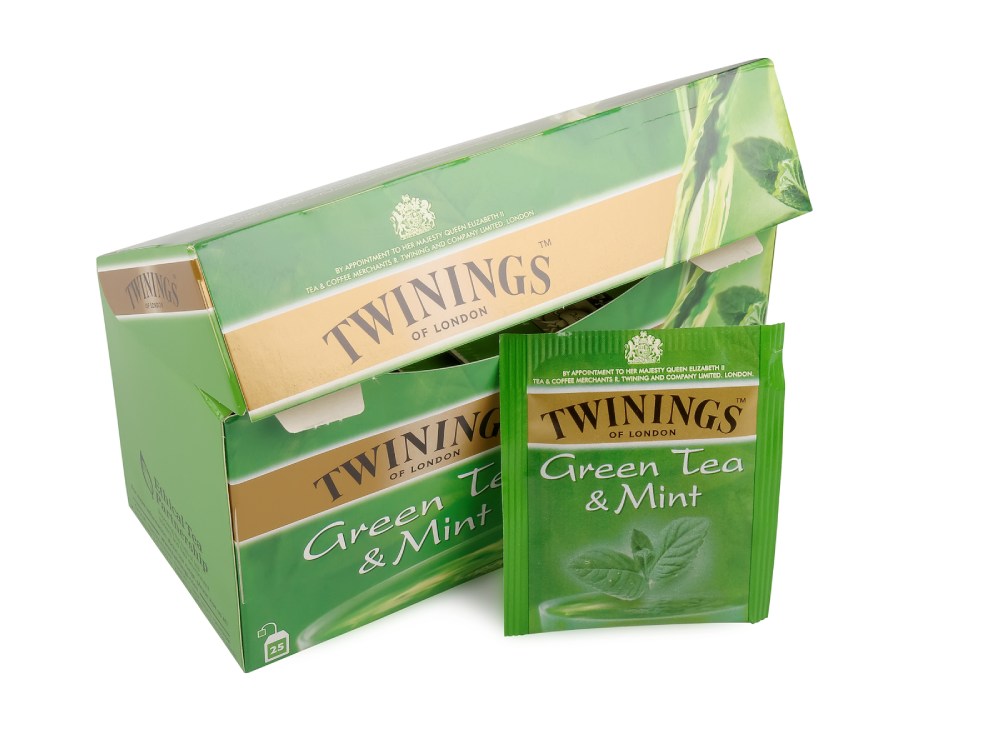
No list of best green teas is complete without Twinings. Founded in London in 1706, the brand has had a few centuries to get this right — and they have. Their Jasmine Green Tea is the standout: delicate jasmine flavor meeting the clean, distinct character of green tea leaves. They also offer decaffeinated, classic, and flavored options like ginger green tea, pomegranate, raspberry, and strawberry.
[lasso ref=”amzn-twinings-pure-green-tea-bags-50-count-pack-of-6″ id=”57295″ link_id=”228396″]
5. Yogi
Yogi is a brand that takes tea seriously in a specific way — they focus on wellness, dietary needs, and mindfulness as much as flavor. Their teas are non-GMO, made with USDA organic green tea leaves, and often blended with high-quality botanicals like rose, hibiscus blossom, and passionflower. The Super Antioxidant blend — green tea with licorice root, lemongrass, dandelion root, and more — is a particularly interesting cup.
6. Market Spice
Market Spice’s Dragonwell is a great option for anyone who wants something bolder and more distinctive. The leaves are pan-fried in the classic Chinese style, resulting in a flavor that has the hallmarks of green tea but with a soothing, mellow quality that makes it particularly suited to cold evenings at home.
The brand offers dozens of loose green tea variations — jasmine, high mountain green tea, matcha — as well as creative flavor combinations like acai berry medley, caramel swirl, mango green tea, and cranberry nut green tea.
7. Ito En
Ito En’s claim to be Japan’s number one tea brand isn’t just marketing — the product backs it up. Their Japanese green tea is prepared with genuine care, delivering a strong brew packed with vitamin C, antioxidants, catechins, EGCGs, and amino acids. If you want an authentic Japanese green tea experience without ordering from abroad, this is the most reliable route.
8. Organic India
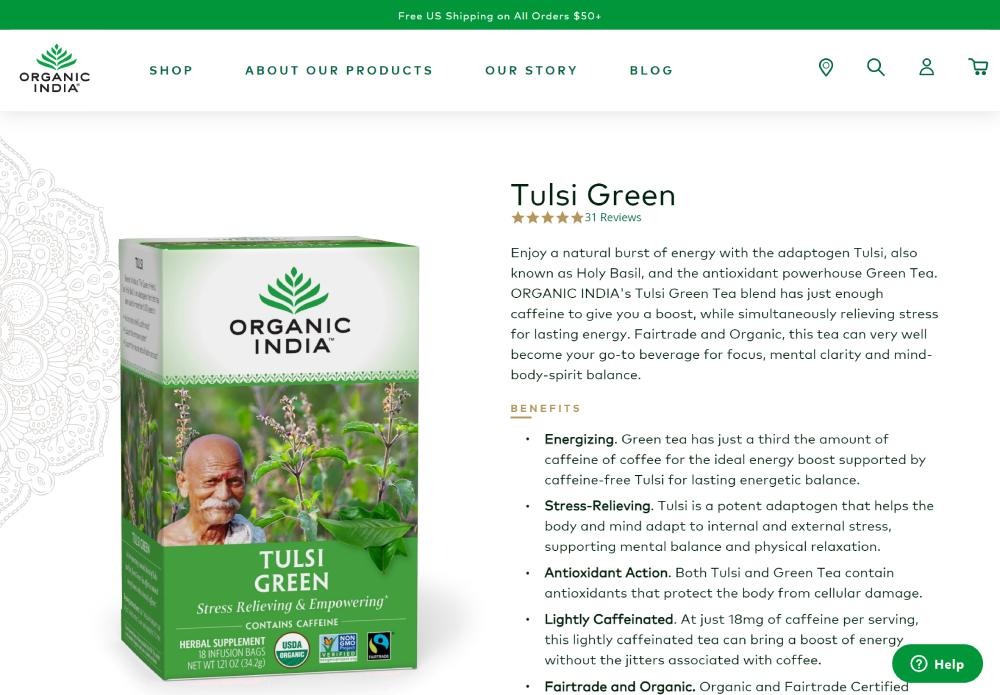
Organic India’s Tulsi green tea is one of the more distinctive offerings on this list. Tulsi — also known as holy basil — is the brand’s signature ingredient, and it brings an herbal freshness to the green tea base that’s genuinely refreshing. Fair Trade Certified, and you can taste the quality. It’s one of those cups that feels like it’s doing something good for you.
9. Teavana
Now owned by Starbucks, Teavana is familiar to a lot of people — and for good reason. Their Jade Citrus Mint tea uses green tea leaves as its base but wraps them in lemongrass and spearmint flavors that make it feel like something entirely different. Refreshing but substantial. For more traditional drinkers, the Radiant Green Tea blend is the cleaner, more classic option. For more, read our guide to the best Starbucks drinks.
10. Celestial
Celestial makes a delicious, light antioxidant-rich green tea that’s worth trying on its own — but their honey lemon ginseng green tea is where things get interesting. Celestial likes to experiment with flavor combinations, and the best of their green teas bring a light citrus sweetness that pairs beautifully with the natural earthiness of the leaves.
11. Rishi
Rishi is the brand to reach for if you want to try Sencha green tea. Bright, with sweet and savory notes that make it genuinely distinctive. It sits on the lower end of the caffeine range for green tea, which makes it suitable for people sensitive to caffeine’s effects. Packaged in biodegradable tea bags, which is a bonus for environmentally-conscious drinkers.
12. Davidson’s Tea
Davidson’s Tea is worth knowing about if you prefer loose-leaf. Loose-leaf does require more effort than dropping a bag in a cup, but the payoff is a noticeably deeper, more robust flavor. You also get much more control — adjust the amount of tea, blend with other ingredients like black tea or spices, and make the cup exactly how you want it.
Davidson’s gunpowder green tea is organic, Kosher-friendly, and notably free of the bitterness that plagues many lesser green teas. That’s why it has such a loyal following.
13. Honest Tea
Honest Tea is for the iced tea drinker who wants green tea on the go without the usual trade-offs. Most pre-made bottled teas are loaded with high fructose corn syrup or artificial flavors; Honest Tea keeps their organic green tea free from both, letting the actual flavor of the tea come through. Convenient, clean, and better than most alternatives at the same price point.
14. Sugimoto Tea
Sugimoto Tea is my recommendation for ceremonial-grade matcha. The smooth, light seaweed-like notes in this tea are a signature of high-quality Japanese matcha — young leaves, carefully shade-grown before harvest.
Matcha has been used in traditional Japanese tea ceremonies for centuries, and its health reputation is well-earned: consuming the whole leaf powder exposes you to more antioxidants, theanine, and polyphenols than steeping and discarding leaves. It’s available in powdered form, loose-leaf, and single-serve sachets, and works as well in a matcha latte as it does in baked goods.
15. Vahdam
Vahdam‘s organic Himalayan green tea is something I keep coming back to. Grown at high altitude, the leaves develop a naturally light flavor with a gentle sweetness that makes the tea enormously pleasant to drink without adding anything to it. Hand-picked, which shows in the quality of what ends up in the bag.
Vahdam also produces fun blends — green tea and mint, chamomile mint citrus green tea — for when you want something a little different. They’re also a carbon-neutral and plastic-neutral brand, which matters to a lot of tea drinkers these days.
16. Pukka
Pukka enlisted herbal experts and nutritionists in formulating their teas, and the result is a range that’s as focused on wellness as it is on flavor. Their Supreme Matcha Green tea blends sencha, Vietnamese, and Indian-grown green tea with high-quality matcha powder, grown pesticide-free.
The absence of astringency is what sets this apart from other green teas. And for those who want the benefits of matcha without the time and effort of preparing powdered matcha properly, these tea bags deliver that in a much more convenient format. Pukka’s mint green tea blend is also worth trying if you want something brighter and more refreshing in the morning.
If you enjoyed this article, be sure to study up on the pine needle tea benefits too!
Guide on Best Green Tea Brands
- Best Rooibos Tea Brands
- Best Loose Leaf Tea Brands
- Best British Tea Brands
- Best Chai Tea Brands
- Best Chamomile Tea Brands
- Best Indian Tea Brands
- Best Black Tea Brands
- Best Iced Tea Brands
- Best Japanese Green Tea Brands
- Best English Tea Brands
- Best Sweet Tea Brands
- Best White Tea Brands
- Best Oolong Tea Brands
- Best Early Grey Tea Brands
- Best Luxury Tea Brands
- Best Matcha Tea Brands
- Best Thai Tea Brands
- Best Tea Brands
How I Put This List Together
I’ve been tasting through green teas for years, and here’s how this particular list came together:
Every brand on this list I’ve actually brewed and evaluated — not sampled once, but prepared correctly, multiple times, in the ways the brand recommends. Green tea is highly sensitive to water temperature and steeping time, so getting those details right matters when you’re trying to assess what a tea actually tastes like.
Value and accessibility were also part of the criteria. A green tea that’s only available from a specialty importer at high prices is genuinely excellent for some people, but not useful for someone who just wants a good daily cup. This list is skewed toward teas that are worth the money at the price they actually sell for.