
Coffee works on multiple levels at once. The ritual, the flavor, the caffeine, the social pull.
I drank decaf for a month once to win a bet. Still wanted my morning coffee ritual just as much. That told me something about why people actually drink coffee. It’s not one thing. Here are the five real reasons.
1. It Improves Our Overall Mood
Ever walked into a coffee shop before ordering anything and immediately felt better? That’s not entirely in your head. A roasted coffee bean contains more than 1000 chemical compounds. Guaiacol gives it that smoky, spicy aroma. 2-furfurylthiol is that very specific roasted smell you can’t quite describe but recognize instantly. The aroma alone is doing something to your brain before you’ve taken a sip.
Drinking coffee triggers dopamine release. That first-cup feeling isn’t just a trained response — there’s real chemistry producing it. The antioxidants in coffee also have a measurable effect on stress markers. So the mood lift is genuine, not imagined.

2. It Can Prolong Your Life
This one still surprises people, but the data is actually pretty encouraging. I find it particularly satisfying news about a drink I’d be having regardless.
A ten-year study published in JAMA Internal Medicine found that people who drank one to eight cups of coffee per day were 10-15% less likely to die during the study period than non-coffee drinkers. This is attributed to coffee’s antioxidant content and other compounds linked to a range of health effects.
Coffee addiction in the clinical sense isn’t really a thing. Caffeine withdrawal is uncomfortable — anyone who’s skipped a day knows — but it doesn’t carry the physical consequences of alcohol or other substance dependencies. Sensible moderation and the evidence is genuinely on your side.
3. An Array Of Flavors To Choose From
The variety is still something I find striking. Four main types of coffee beans — Arabica, Robusta, Liberica, Excelsa — each with completely distinct flavor characteristics, and all of them behave differently depending on how they’re roasted, ground, and brewed. Even blending two varieties of the same bean from different regions produces something new.
Then there’s the format question. Instant, pod, espresso, cold brew, pour-over. Keurig alone offers over 300 pod options. Add a coffee shop menu and you’ve got enough variety to spend a year exploring without repeating yourself. Personally I keep coming back to black coffee, but I don’t rule out trying whatever looks interesting from the best gourmet coffee brands when the mood strikes.
4. It Brews Your Creativity
Making coffee at home is more creative than most people expect, and the depth of that rabbit hole is genuinely surprising once you start going down it.
At the simple end: experimenting with instant, trying different milk ratios, adding honey or a twist of citrus. At the involved end: learning pour-over technique with a Chemex or Hario V60, adjusting grind size for different extractions, controlling water temperature for different roasts. The same beans brewed slightly differently produce noticeably different cups. That responsiveness to technique is what makes it feel creative rather than just mechanical.
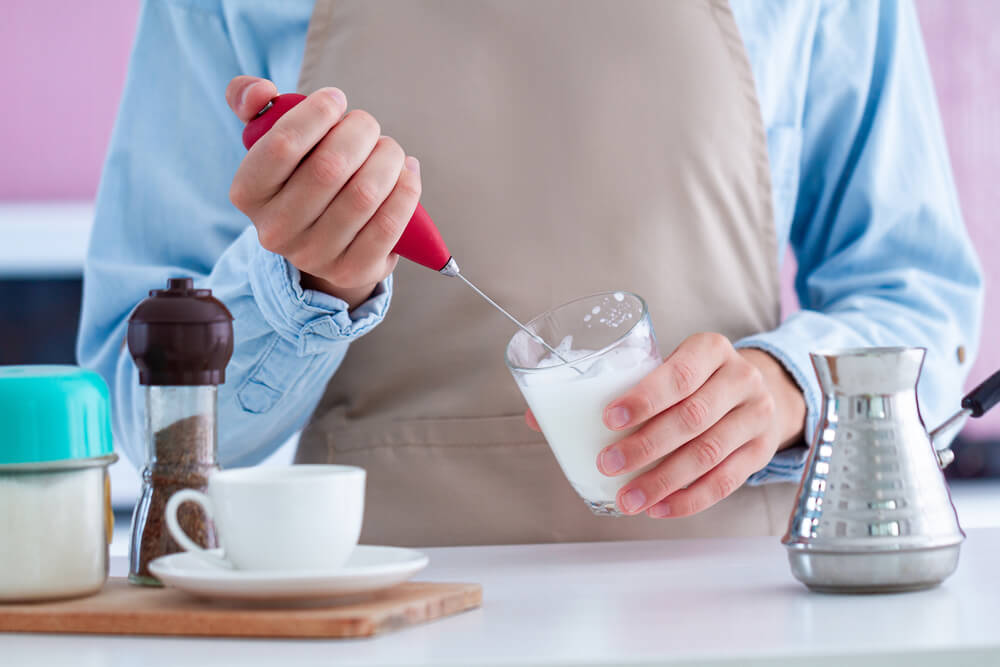
Coffee rewards both curiosity and patience. The more you invest in understanding it, the more you get back in the cup. That’s true of very few things.
5. It Brings Out Our Societal Side
Coffee shops have been meeting places since at least the 18th century. Before the modern café, people were gathering over coffee to debate, do business, form connections. That hasn’t changed.
The combination of a mood-boosting drink and an environment built for rest and conversation is hard to beat. The music, the smell, the familiar rhythm of ordering and finding a seat — even working alone in a coffee shop creates something distinct from working at home. I’ve spent a lot of time in coffee shops by myself, not really interacting with anyone. But there was something about being in a space where everyone was doing roughly the same thing, sharing the same ritual. That unexplainable comfort is part of what makes coffee culture so durable.
What It Really Comes Down To
Coffee works on too many levels at once to be explained by any single reason. The ritual, the chemistry, the flavor, the social dimension, the creativity of making it — each of these would be enough to justify a habit. Together, they explain why people who drink coffee tend to be pretty devoted to it. It’s not just caffeine. It never was.