
Quick answer: Rainbow jelly boba is a colorful, chewy topping for bubble tea. It is usually made from konjac and/or plant-based gelling agents such as agar and carrageenan, or from nata de coco (coconut gel), then sweetened and fruit-flavored. Unlike tapioca boba, it is normally cut into small strips or cubes and has a firmer, springier bite.
Make rainbow-jelly bubble tea at home
Rainbow jelly topping: see rainbow jelly for bubble tea on Amazon.
Classic chewy alternative: see quick-cook tapioca pearls on Amazon.
Reusable wide straws: see reusable boba straws on Amazon.
There is no single universal rainbow-jelly formula. One shop may serve a konjac-and-agar product, while another mixes several colors of nata de coco. If ingredients, dairy, gelatin, gluten, or food coloring matter to you, ask the shop to show you the package label.
What is rainbow jelly in bubble tea?
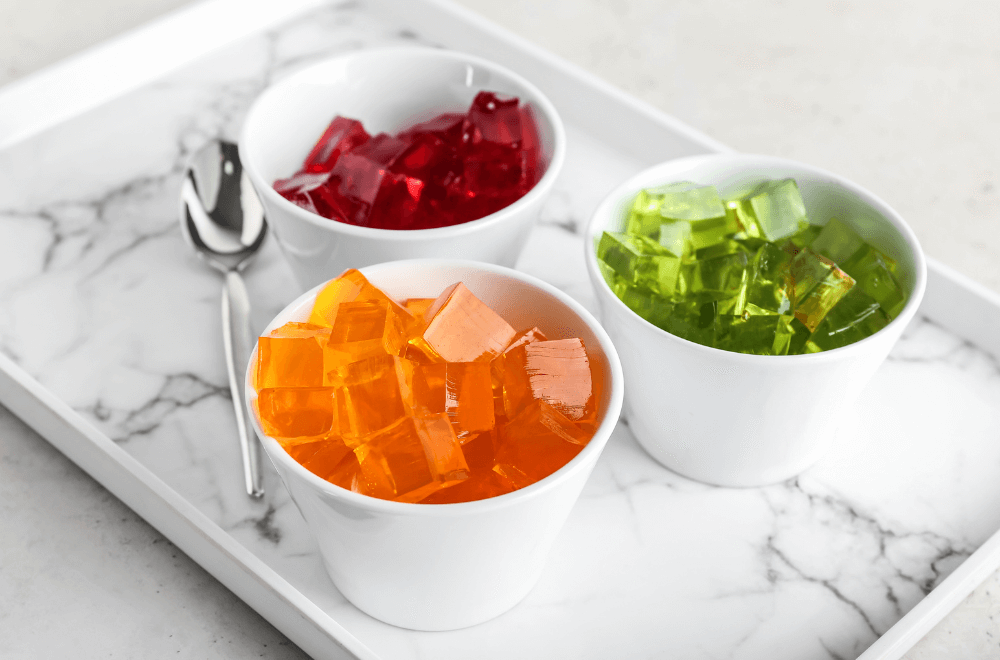
Rainbow jelly is a prepared bubble-tea topping made of several colored, mildly fruity jellies. The pieces are commonly narrow rectangles or small cubes, so they travel through a wide boba straw. Shops spoon the drained jelly into milk tea, fruit tea, slushes, smoothies, or desserts.
The word boba is often used broadly for any chewy bubble-tea topping. Rainbow jelly is therefore called “rainbow jelly boba,” but it is not the same substance as the round tapioca pearls traditionally called boba.
What is rainbow jelly made of?
Commercial recipes vary by supplier. Two common styles are:
- Konjac or agar jelly: water, sweetener, konjac, agar, carrageenan, or other stabilizers form a springy gel. Fruit flavor, acidity regulators, preservatives, and coloring may be added.
- Nata de coco: coconut water is fermented into chewy coconut gel, then cut, sweetened, colored, and flavored. It does not necessarily taste strongly of coconut.
For example, current supplier listings show that products marketed under similar rainbow-jelly names can use konjac-and-agar blends, while some shops describe their rainbow jellies as a combination of flavored nata-de-coco pieces. That is why the exact package matters more than the menu name.
What does rainbow jelly taste like?
Rainbow jelly is sweet, light, and fruity rather than tea-like. Pineapple, mango, lychee, citrus, or mixed-fruit notes are common, but color does not guarantee a specific flavor. Some products use the same flavor throughout and change only the colors.
The texture is the defining feature: firmer than gelatin dessert, less dense and starchy than tapioca pearls, and not liquid-filled like popping boba. Nata de coco versions can feel crisp or fibrous; konjac-and-agar versions tend to be smooth and springy.
Rainbow jelly vs. boba and other toppings
| Topping | Main base | Texture | Shape | Typical flavor |
|---|---|---|---|---|
| Rainbow jelly | Konjac/agar blend or nata de coco | Firm, springy, sometimes crisp | Strips or cubes | Sweet mixed fruit |
| Tapioca boba | Tapioca starch | Dense and chewy | Round pearls | Neutral, brown sugar, or syrup |
| Popping boba | Liquid inside an alginate skin | Bursts in the mouth | Round spheres | Fruit juice or syrup |
| Crystal boba | Often konjac or agar | Translucent and springy | Round or irregular | Mildly sweet |
| Grass jelly | Herbal gel | Soft and slippery | Cubes | Herbal, slightly bitter |
Is rainbow jelly vegan or vegetarian?
Many rainbow jellies use plant-derived konjac, agar, carrageenan, or coconut gel instead of animal gelatin, so they may be vegetarian or vegan. However, do not assume every product is vegan. Some commercial ingredient lists include lactose, dairy-derived flavoring, or other additives, and shop utensils may contact milk products.
Ask for the exact ingredient and allergen label if you avoid dairy or animal ingredients. “Coconut jelly” describes the gel base; it is not an allergen guarantee.
Is rainbow jelly gluten-free?
Konjac, agar, carrageenan, and nata de coco do not inherently contain gluten, and many packaged rainbow jellies are marketed as gluten-free. Cross-contact and added flavors vary, so people with celiac disease or a serious allergy should verify the package and the shop’s handling practices.
Does rainbow jelly contain caffeine?
The jelly itself is generally caffeine-free unless a specialty flavor contains tea or coffee. The finished bubble tea may contain caffeine from black, green, oolong, or matcha tea. Ask what tea base is used if you are limiting caffeine.
Rainbow jelly calories and sugar
Nutrition depends on the product and how much syrup reaches the cup. Rainbow jelly is commonly packed in a sweetened liquid, so it can add sugar even when the gel itself contains little fat or protein. Shops also use different scoop sizes.
For the most useful estimate, ask for the brand’s nutrition panel and the shop’s topping portion. Draining extra syrup may reduce some added sweetness at home, but it does not make every product sugar-free.
Best drinks with rainbow jelly
- Passion-fruit or mango green tea: the fruit notes reinforce the jelly.
- Lychee black tea: floral tea balances the sweet topping.
- Coconut milk tea: works especially well with nata-de-coco jelly.
- Jasmine milk tea: a lighter base keeps the topping noticeable.
- Fruit slush: the firm jelly stays chewy in an icy drink.
Use one topping at first. Combining rainbow jelly, tapioca, and popping boba can make the drink very sweet and difficult to sip.
Easy homemade rainbow jelly recipe
This agar-based recipe creates colorful jelly strips with a clean bite. It is an accessible homemade substitute, not an exact copy of commercial konjac jelly or fermented nata de coco.
Ingredients
- 2 cups clear fruit juice, coconut water, or a mixture
- 2 teaspoons agar powder
- 2–4 tablespoons sugar, to taste
- 1 teaspoon lemon or lime juice
- Three food colors or naturally colored juices, optional
- Fruit syrup for serving, optional
Method
- Whisk the liquid, agar powder, and sugar together in a saucepan while cold.
- Bring the mixture to a full simmer, stirring frequently. Continue according to the agar package directions so the powder fully dissolves.
- Remove from heat and stir in the citrus juice.
- Divide among three small heat-safe dishes. Tint or flavor each portion differently.
- Pour each color into a shallow layer. Let it set at room temperature, then chill.
- Cut into narrow strips or small cubes that will fit through a wide boba straw.
- Add 2–3 tablespoons to a cold milk tea or fruit tea. Refrigerate leftovers in a sealed container and follow the storage guidance for your ingredients.
Agar texture varies by brand, so use the package ratio if it differs. Too much agar produces brittle jelly; too little may not survive a straw.
Where to buy rainbow jelly boba
Bubble-tea supply stores and Asian supermarkets often sell rainbow jelly in large jars or tubs. If you also want translucent round pearls, our U.S. crystal boba buying guide compares supplier channels, package sizes, and product labels. Search for “rainbow jelly,” “assorted jelly,” “konjac jelly,” or “rainbow nata de coco.” Read the ingredient panel because these names are not standardized.
Commercial containers can be much larger than a household needs. Check the refrigerated storage period after opening before buying. A smaller assorted-jelly package may be better for occasional use.
Frequently asked questions
Is rainbow jelly the same as popping boba?
No. Rainbow jelly is solid and chewy throughout. Popping boba has a thin skin around a liquid center that bursts when bitten.
Is rainbow jelly made from coconut?
Sometimes. Nata-de-coco versions are made from fermented coconut water, but many rainbow jellies instead use konjac, agar, carrageenan, or a blend. Check the label.
Is rainbow jelly healthier than tapioca boba?
Neither is automatically healthier. Portions, syrup, added sugar, and the rest of the drink determine the comparison. Rainbow jelly may feel lighter, but it is often stored in sweet syrup.
Bottom line
Rainbow jelly boba is a colorful fruit-flavored topping with a firm, springy bite. It may be made from konjac and agar, nata de coco, or other gelling blends, so the exact ingredients vary. Choose it when you want something lighter and crisper than tapioca pearls, and verify the label when dietary restrictions matter.