
Black coffee is coffee without milk, cream, or sweeteners. Just the bean, the water, and whatever the roaster put into it.
I drank cream-heavy coffee for years and thought I just needed it that way. Then I tried fresh-ground Ethiopian light roast, black. No cream. No sugar. Just coffee that actually tasted like something worth tasting. Turns out I had been compensating for bad beans, not enjoying good coffee. The two are very different problems.
What Does Black Coffee Taste Like?
Depends entirely on the beans. That’s the real answer. A correctly brewed cup from quality beans should have some natural sweetness, maybe citrus or chocolate notes, and bitterness that’s present but not dominant. A correct 1:15 coffee-to-water ratio for pour-over typically gets you there.
What most people know as black coffee is over-extracted drip from supermarket beans, which does taste harsh and flat. That’s not black coffee’s fault — that’s a sourcing and brewing problem. Try a light-roast Ethiopian or a washed Guatemalan black, and you’ll understand why people make a whole lifestyle out of this.
Cappuccinos, macchiatos, lattes — they’re genuinely easier on the palate for beginners. Milk softens acids and bitterness. But once your taste buds calibrate to black coffee, going back to milky drinks starts feeling like you’ve added noise to something that was already working.
What Is The Caffeine Content Of Black Coffee?
Around 50-100mg per cup for standard home brewing, depending heavily on beans and method. Robusta beans have more caffeine than Arabica. Some specialty high-caffeine brands push this much higher. On the extreme end, some commercial products reach 400mg per serving — at that point you’re not drinking coffee for enjoyment, you’re drinking it like medication.
Decaf black coffee is also an option many people overlook. Quality decaf has come a long way, and with a good bean and Swiss Water process decaffeination, you won’t notice much difference in taste. All the ritual, none of the stimulant if that’s what you need.
Why Do People Like Black Coffee?
The reasons vary pretty widely. Some are practical, some are philosophical. Here’s what actually drives people to drop the cream and sugar:
1. Black Coffee Has Fewer Calories
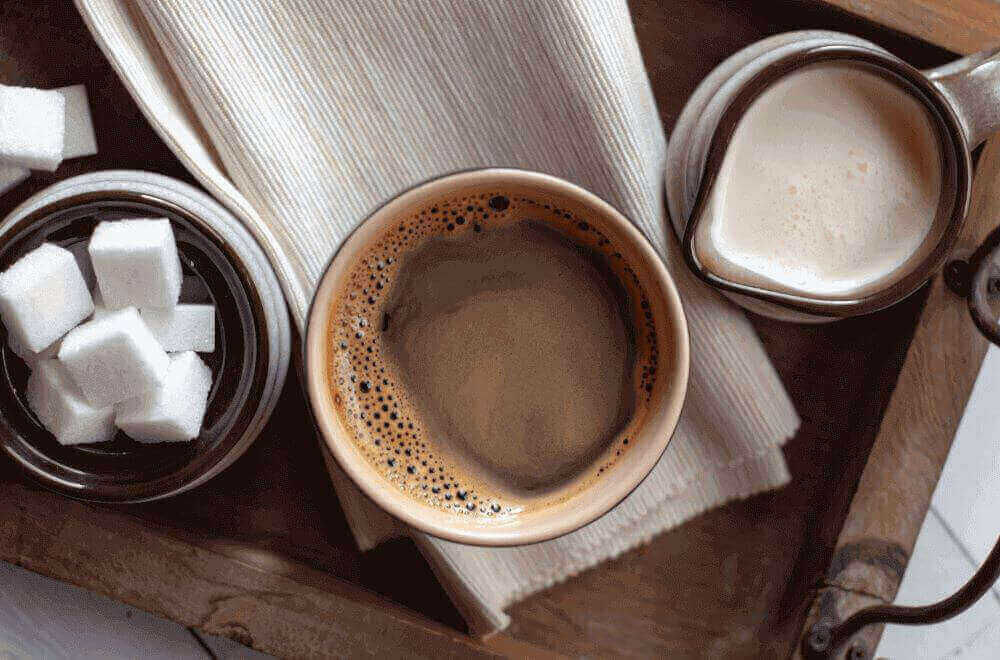
Black coffee: basically zero calories. A daily coffee-with-cream-and-sugar habit adds up in ways most people don’t track. Half-and-half brings roughly 40 calories and 3.5 grams of fat per serving. A teaspoon of sugar adds 4.2 grams of carbs. Two cups per day with two servings of cream and two sugars each: you’re adding a small meal’s worth of calories to your week without noticing. If you’re monitoring intake, switching to black is an easy win that doesn’t require giving up coffee.
Honey is a slightly better sweetener option if you can’t go fully black — check our guide on adding honey to coffee. But straight black is still the simplest path.
2. Black Coffee Delivers A Purer Taste Experience
Coffee people talk about this in a way that can sound pretentious but the underlying point is real: cream and sugar mask flavor. If your coffee has interesting characteristics — brightness, fruit notes, chocolate undertones, regional character — you can’t taste most of them through a blanket of dairy and sweetener. Black coffee lets you actually evaluate what you’re drinking.
Many serious coffee drinkers think of adding cream to interesting coffee the same way a wine person thinks of adding ice to Burgundy. Not morally wrong, just wasteful of something that was already good on its own.
3. Black Coffee Can Be More Economical
This one doesn’t get enough attention. Cream, half-and-half, flavored creamers, sugar — these add up fast for a heavy drinker. At a coffee shop, anything with milk costs significantly more than black coffee. Black drip or black Americano is almost always the cheapest item on the menu. Over a year, the gap in spending can be hundreds of dollars. See our guide on how to save money at the coffee shop for specifics.
4. Black Coffee Is Easier to Brew
No measuring cream. No running out of half-and-half. No extra fridge item to manage. Black coffee is the utilitarian option — you grind, brew, and drink. For people who want caffeine without a production, the simplicity is the point. A smaller cup of black coffee also delivers more caffeine per sip than a diluted, milky version, so you often end up drinking less total liquid to get the same effect.
Health Benefits Of Black Coffee
The health picture for black coffee is genuinely pretty good. The benefits apply to the coffee itself — adding cream and sugar starts to dilute some of these effects while adding negatives of their own.
1. A Better Brain
Caffeine blocks adenosine, an inhibitory neurotransmitter that makes you feel tired. With adenosine blocked, stimulatory neurotransmitters like norepinephrine have more room to work. That’s the mechanism behind the focus and alertness you feel after coffee — it’s not imaginary, it’s chemistry.
Long-term, regular coffee consumption has been associated with meaningfully reduced risk of Alzheimer’s disease (some studies suggest up to 65% reduction in late life) and lower risk of Parkinson’s disease. These are epidemiological associations rather than controlled experiments, so causation is hard to establish — but the pattern is consistent across multiple large studies.
2. Black Coffee Prevents A Black Mood
Research shows that regular coffee consumption correlates with lower rates of depression. The mechanism isn’t fully understood, but the caffeine effect on mood-related neurotransmitters is likely involved. Worth noting: too much coffee can worsen anxiety, so this cuts both ways depending on your baseline. And it’s not a treatment for clinical depression — just an interesting data point about regular moderate consumption.
3. It Can Help With Weight Loss
Beyond the calorie savings from ditching cream and sugar, black coffee actually has a metabolic effect. Research shows caffeine can boost metabolic rate by around 11% and increase fat burning by 10-29%. These aren’t massive numbers, but they’re real and come essentially for free if you’re already drinking coffee.
4. Your Liver Will Love You
Regular coffee consumption — around 24 ounces per day — has been associated with reduced risk of liver cancer and cirrhosis. Your liver processes a remarkable amount daily, and the compounds in coffee appear to have a protective effect on liver tissue that researchers are still working to fully characterize.
5. Reduces The Risk Of Diabetes
Multiple studies have found that regular coffee consumption is associated with reduced risk of type 2 diabetes. The effect appears dose-dependent — more cups per day correlates with more risk reduction. Black coffee specifically matters here because the addition of sugar obviously introduces the very compounds that promote insulin resistance.
Tips For Switching To Black Coffee
Going cold turkey doesn’t always work. Here’s what tends to actually succeed:
1. Gradually Make The Switch
Taper the cream and sugar over a few weeks rather than cutting them all at once. Your taste buds genuinely adapt. What tastes harsh at first starts tasting normal, then starts tasting right. The adjustment period is real but shorter than most people expect — usually two to three weeks of gradual reduction is enough.
2. Buy High-Quality Coffee
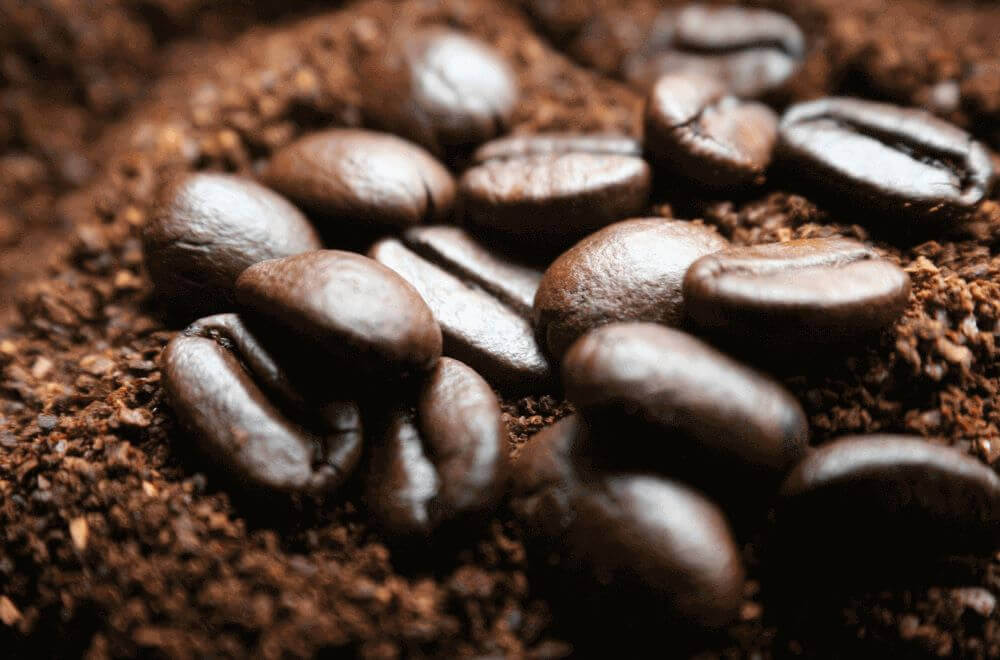
This is the most underrated tip. If your current coffee tastes bad with cream and sugar, it’s going to taste significantly worse without them. Cream and sugar are covering up problems with the coffee itself. Switch to fresh beans from a local roaster or reputable online source before you try switching to black. You might be surprised how much easier the transition is when you start with good material. Something like Kona coffee has natural sweetness that makes drinking it black easy.
3. Consider Your Brewing Methods
Your brewing method changes the flavor substantially. Standard drip machines produce a particular extraction profile — switching to French press, pour-over, or AeroPress from the same beans will produce noticeably different results. If black drip coffee isn’t working for you, try a different method before assuming you just don’t like black coffee. Grind fresh beans right before brewing; pre-ground coffee loses flavor quickly and that lost flavor is what makes black coffee tolerable.
4. Try Cold Brew Black Coffee
Cold brew is naturally lower-acid and smoother than hot-brewed coffee. If hot black coffee is too sharp, cold brew is a much gentler entry point. It has the same health benefits, it’s easy to batch-make at home, and many people who can’t tolerate hot black coffee find cold brew completely manageable without cream or sugar.
How To Add Flavor To Black Coffee
If you want something between black and fully sweetened, a few options add flavor without the calorie or carb load:
A small amount of vanilla extract dabbed on the rim of your cup creates aroma that your brain reads as sweetness. Same trick works with almond extract, cinnamon, or nutmeg. Much of taste is smell, and these additions hijack that perception without anything actually going into the coffee. Flavored coffee beans — French vanilla, hazelnut — are another option. The flavoring added during the roasting process contributes negligible calories while significantly changing the aroma profile. Check our black coffee vs. espresso guide for more comparisons.
FAQs About Drinking Black Coffee
Can You Drink Black Coffee On An Empty Stomach?
Yes, it’s safe for most people to drink black coffee on an empty stomach. You should discuss any specific concerns you have with your doctor before making the switch to black coffee.
Does Black Coffee Contain Any Vitamins Or Nutrients?
Yes, black coffee is a source of vitamin B2, vitamin B3, vitamin B5, magnesium, potassium, and tons of antioxidants.
Is It True That Black Coffee Protects Against Gout?
We know that black coffee helps to decrease levels of insulin and uric acid in the body. It is widely believed that black coffee can help to both prevent gout and alleviate gout symptoms.
Is Drinking Black Coffee Bad For Your Teeth?
Water is the only beverage that won’t have some effect on your teeth. Coffee is high in acid, which could affect your teeth with prolonged consumption, such as straining. That said, coffee is believed to fight bacteria that cause tooth decay.
Will Black Coffee Give Me The Jitters?
Some people do feel jittery or anxious after consuming black coffee. Start with a small serving of black coffee to gauge your body’s reaction or side effects. You should also discuss coffee consumption with your doctor if you suffer from high blood pressure or anxiety.
What I Actually Drink
After ten-plus years of drinking coffee every way imaginable, I keep coming back to black. Not because I’m a purist trying to prove something, but because once you get used to it, a good cup of black coffee genuinely tastes better than anything with cream poured over it.
The trick that actually worked for me was upgrading my beans rather than forcing myself to endure something bitter. A light-roasted single origin — Ethiopian Yirgacheffe is a good starting point — has a natural sweetness that makes the transition almost painless. If you’ve been drinking coffee that tastes burnt or flat, no amount of willpower is going to make black coffee enjoyable. Fix the beans first, then worry about cutting the cream.