
Ordered mugwort tea at a tea shop on a whim because the description said it tasted like sage. That was accurate — bitter, herby, not pleasant at first. Third cup I started to get it. Mugwort tea is an herbal infusion made from the artemisia vulgaris plant. Traditional medicine in Europe and Asia has used it for centuries, mostly for digestive and relaxation support. The research is sparse, but the traditional use cases are interesting.
Mugwort tea is a bitter, sage-like herbal infusion used in traditional medicine for centuries. Pregnant women should avoid it.
What Does Mugwort Tea Taste Like?
Mugwort tea has a smooth, well-rounded body with a hint of aniseed. Hold it in your mouth before swallowing and you’ll notice a balance of bitterness and sweetness in the aftertaste. The subtle aroma lingers through the nose after the sip. If you enjoy mugwort tea, you may also like Navajo tea.
Potential Health Benefits Of Mugwort Tea
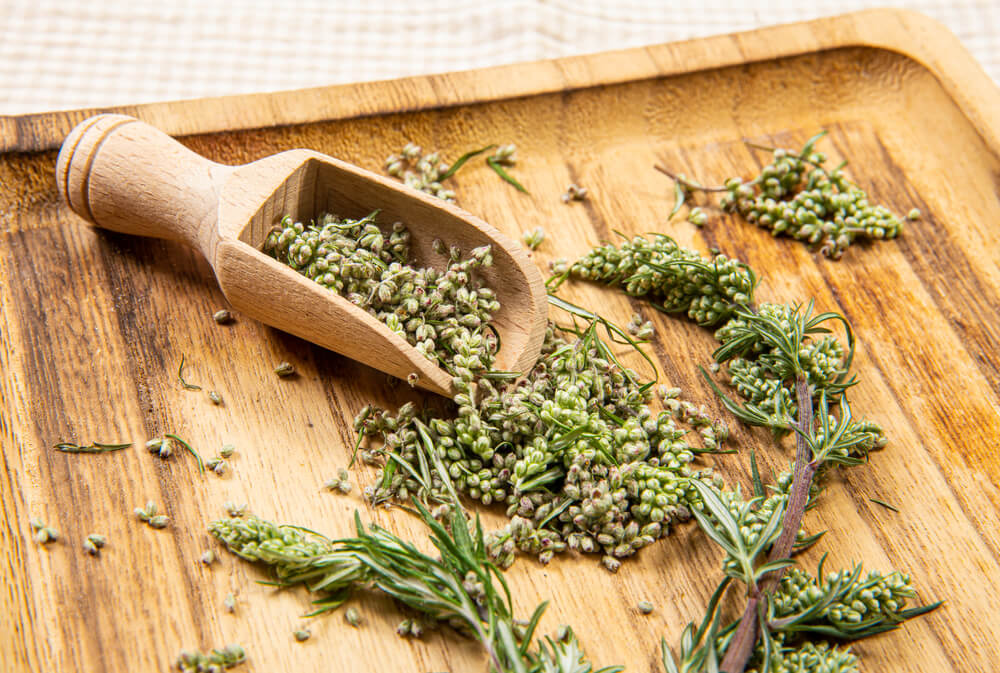
Mugwort tea is rich in flavonoids, triterpenes, antioxidant agents, vitamins, and calcium. For centuries, people have taken Mugwort for digestive issues.
- Mugwort leaves are antifungal and antibacterial.
- The antioxidant and antimicrobial properties in mugwort tea help fight ultraviolet radiation that slows cell growth.
- High concentration of B-family vitamins in mugwort tea helps boost metabolism.
- Asian women have consumed mugwort tea during their menstrual cycles for centuries. However, if you are pregnant, mugwort may trigger premature labor.
Potential Mugwort Tea Side Effects
While mugwort tea is relatively safe to consume daily, it can be toxic in high doses due to the thujone in the leaves — responsible for seizures, kidney failure, and vomiting. Some people are allergic to mugwort. If you experience swelling, tingling on the tongue, headaches, or severe coughing, stop drinking it immediately and consult your doctor. In the worst cases, severe allergies can lead to uterine contractions and trigger menstruation. You might also be interested in learning about Senna tea.
Can You Drink Mugwort Tea Every Day?
Mugwort tea is generally safe for most healthy adults in moderation. It’s recognized for potential anxiety relief and digestion improvement. Unlike some teas that should be drunk after a meal, mugwort tea can be consumed on an empty stomach to increase absorption.
That said, moderation matters. Mugwort contains thujone, which can be toxic at high doses — far beyond what a cup of tea provides. Pregnant women should avoid it due to the risk of triggering premature labor. Anyone with allergies to related plants should also exercise caution. Consult a healthcare provider before starting any new herbal supplement, especially if pregnant, nursing, or on medication.
You might also be wondering about holy basil tea.
How To Brew Mugwort Tea
Mugwort tea is available online in tea bags or as dried leaves. It works well on cold fall days or when you want something warming but not sweet.
- Put two tablespoons of dried, crushed mugwort in a 17oz teapot, add hot water, and steep for up to 15 minutes.
- Use a strainer to remove the leaves when pouring into your teacup.
- To sweeten, add one teaspoon of honey per cup.
- Alternatively, add mint and lemon balm to enhance the flavor.
Is Mugwort Tea Worth Trying?
Mugwort tea sits in a strange middle ground — not something you find at a regular supermarket, and the flavor takes getting used to. That anise-and-sage combination is polarizing. But if you’re already into herbal teas with some edge — wormwood, yarrow, horehound — mugwort fits right into that family.
My suggestion: start with a half-strength brew and add honey. The bitterness softens considerably, and you get a better sense of the natural sweetness underneath. Once you’re comfortable, try it straight. It holds up well as an evening tea, especially in autumn.