
Nitrogen-infused coffee uses nitrogen gas to create a creamy, cascading effect similar to draft beer.
Nitro coffee shouldn’t have lasted this long. When it first started showing up on tap at specialty cafés around 2012, everyone assumed it was a gimmick — something cafés would cycle out once the novelty wore off. It didn’t wear off. Over ten years later, it’s at Starbucks, it’s in cans at Target, and coffee shops still charge $6 for a cup. That’s worth looking at more carefully.
What Is Nitro Coffee?
Cold brew coffee, nitrogen gas, a tap. That’s the whole thing. You push cold brew through a pressurized system filled with nitrogen, and the gas creates millions of tiny bubbles that don’t dissolve into the liquid — they just hang there, forming a thick creamy head like you’d get pouring a Guinness.
The reason this works differently than soda has to do with how nitrogen behaves in liquid. CO2 (what’s in carbonated drinks) dissolves easily, which makes things fizzy and slightly acidic. Nitrogen barely dissolves at all. Instead of carbonation, you get texture — a dense foam and a velvety mouthfeel that makes the coffee taste sweeter and richer than it actually is, without any cream or sugar added. That’s the trick. Your palate gets fooled by the texture into perceiving sweetness that isn’t there.
5 Reasons Why Nitrogen-Infused Coffee Is The Next Big Thing
Let me go through what actually keeps nitro coffee relevant a decade after it was supposed to be a fad.
1. It Remains An Innovative Concept
You have to see it pour. No amount of description does it justice — the cascade goes down instead of up, the head forms in about 10 seconds, and there’s a moment where it genuinely looks like it’s defying physics. I’ve shown it to people who’ve had nitro coffee plenty of times, and they still pause to watch. That moment of visual surprise keeps this drink alive on social media and in word-of-mouth recommendations in a way no other coffee drink manages. A latte art pour is beautiful; a nitro pour is disorienting in the best way.
2. Tastier Without The Condiments
I’ve watched people add two sugars and cream to their regular black coffee, then try nitro cold brew and say they don’t need anything in it. The texture does that. The nitrogen bubbles change the mouthfeel enough that your tongue reads it as creamier and slightly sweet, even when you’re drinking black coffee with no additives. For anyone who adds stuff to coffee out of habit rather than preference, nitro has a way of breaking that habit without any willpower required. You just stop reaching for the sugar because the drink already feels satisfying without it.
3. Healthier Alternative To Your Regular Coffee
Cold brew starts with a different brewing chemistry than hot coffee. No heat means fewer acidic compounds get extracted, so the resulting coffee is less harsh on your stomach and tastes less bitter. If you’ve written off black coffee because it bothers your gut, cold brew is worth a real try — most people who try it find the acid issue largely disappears. Nitro layers on top of that with the texture benefits, so you’ve got a coffee that’s easier on your stomach, needs no cream or sugar, and typically carries a higher caffeine load than a standard drip coffee since cold brew concentrate is usually brewed stronger.
4. It Is Becoming Accessible And Easy To Make At Home
The home options have gotten legitimately good. Canned nitro from Stumptown, La Colombe, and Starbucks has improved to the point where it’s a solid drink, not a pale imitation. The cascade works in the can, the texture is right, and you don’t need any equipment at all. For DIY, a whipped cream dispenser with nitrogen cartridges (specifically N2, not N2O — that detail matters) runs under $50 and produces results that are closer to the real thing than most people expect. The only catch is that you need cold brew concentrate ready to go, which means planning 18-24 hours ahead. That planning requirement is probably why most people stick with the canned version.
5. A Promising Business Opportunity
Coffee shops don’t add nitro taps because they like the aesthetics. The economics are compelling: a batch of cold brew concentrate costs less to produce than most other specialty drinks, the tap system lets you serve it fast with no barista skill required, and customers will pay $5-7 for a cup because it feels special. One keg serves a lot of cups. The tap hardware also becomes a fixture in the space — customers remember the café with the nitro tap, mention it when recommending the place, and come in specifically to get it. That’s a competitive advantage that’s harder to copy than adding a new syrup to the menu.
How to Make Nitro Coffee at Home
A few things most guides skip: fill the dispenser only halfway — overfilling wrecks the pressure ratio. Use N2 cartridges, not N2O (the ones meant for whipped cream). And pour from about a foot above the glass to trigger the cascade. If you pour too close to the glass, the effect is muted.
- Make or buy cold brew concentrate
- Pour into a whipped cream dispenser (half full)
- Charge with nitrogen cartridge
- Shake vigorously for 30 seconds
- Dispense into a glass, pouring from high to create the cascade effect
Manual Espresso: Cafelat Robot Barista Vs. Flair Pro 2
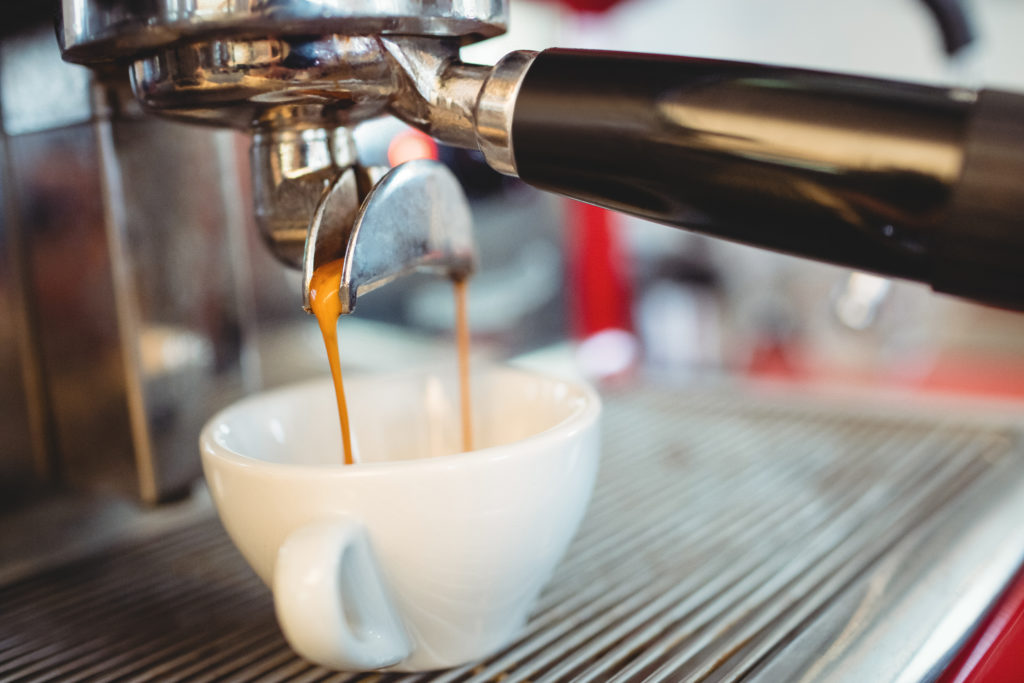
If you prefer traditional espresso over nitro, a manual espresso maker offers complete control over your extraction. When you raise the lever, water is drawn into the brewing chamber, saturating the coffee grounds in a process known as pre-infusion. Pulling the lever back down creates pressure, forcing the water through the coffee grounds and into your cup. The phrase “pulling a shot” originated from this type of espresso machine.
Related Articles
- Best Instant Coffee
- Guide to Common Espresso with Milk Drinks
- Master the Coffee Golden Ratio
- 15 Best Asian Coffee Brands
Is Nitro Coffee Worth It At Home?
Honest verdict after trying both methods repeatedly: cans win for convenience, DIY wins for coffee quality. The dispenser method is more work than it looks — N2 cartridges, half-fill rule, cleanup — and it’s easy to get wrong. If you’re just curious what nitro tastes like, buy a can. If you already make your own cold brew and want to level it up, the dispenser approach gives you control over the coffee quality that canned products can’t match.
Start with your best beans if you go the DIY route. Steep coarsely ground coffee in cold water for 18-24 hours, strain well, and use the concentrate straight. The nitrogen amplifies whatever you start with, which means exceptional cold brew becomes exceptional nitro and mediocre cold brew stays mediocre regardless of the nitrogen. The equipment is cheap enough that the real investment is in the beans and the time — which is true of most good coffee, honestly.