
Tried to figure out how much caffeine I was actually consuming after reading that 400mg was the recommended daily limit. The number kept shifting depending on the source. A standard 8oz cup of coffee is roughly 95mg of caffeine — that is the number most studies use as a baseline. But brewing method, bean type, and roast level all shift it. The 95mg figure is a useful anchor, not a guarantee.
A standard 8-ounce cup of coffee contains about 95mg of caffeine, though this varies considerably depending on brewing method and bean choice.
Factors That Determine The Milligrams Of Caffeine In A Cup Of Coffee
The number of milligrams of caffeine in your cup isn’t a fixed number — it shifts based on the type of coffee, your bean choice, the roasting method, and even the size of your mug. Pulling all these factors together is how you start to understand what’s actually in your morning cup. You might also enjoy reading about the best coffee for pre-workout.
Type of Coffee Matters
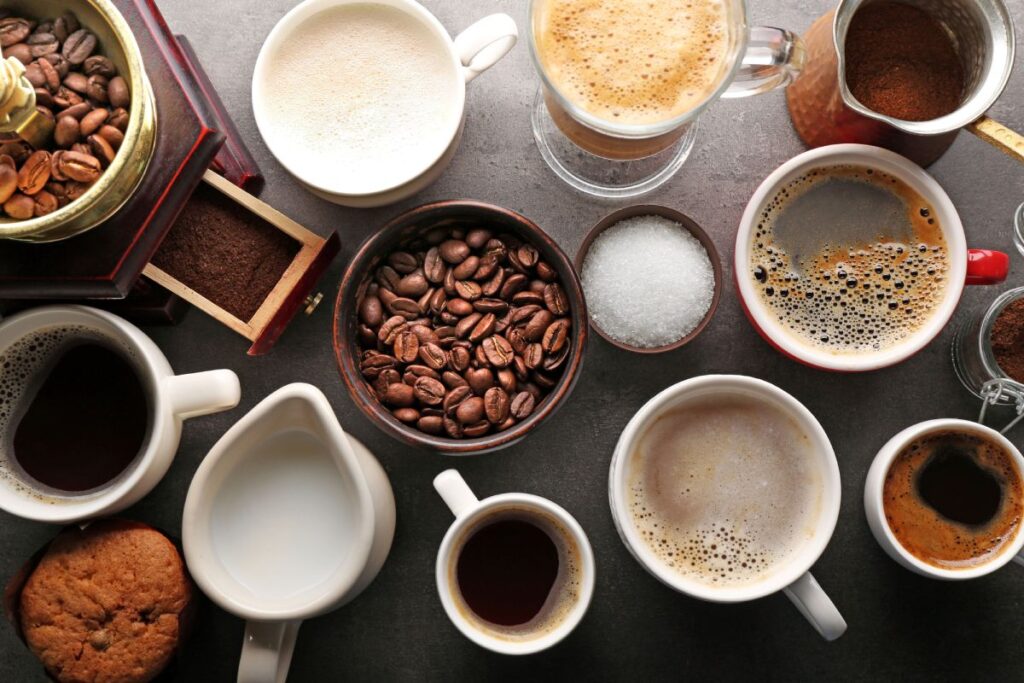
How your beans are prepared has a direct impact on the caffeine that ends up in your cup. Decaf, instant, brewed, and espresso are the four main categories most people deal with day to day.
Decaf Coffee
Here’s the part that surprises most people: decaffeinated coffee isn’t actually caffeine-free. There’s still a small amount in every cup, and it varies depending on the beans and the decaffeination process used. It’s low enough for most people not to notice, but worth knowing if you’re particularly sensitive.
Instant Coffee
Instant coffee starts out as brewed coffee that gets spray-dried or freeze-dried into a powder. That process knocks caffeine content down somewhat, so instant tends to land lower than your typical brewed cup.
Brewed Coffee
Regular brewed coffee — the kind made by running hot water through grounds and a filter — sits above decaf in caffeine content and roughly in the same ballpark as espresso on a per-serving basis.
Espresso
Espresso uses pressurized water forced through finely ground beans at high speed. The result is a concentrated shot that, per ounce, has more caffeine than brewed coffee — but because the serving size is much smaller, the total per-serving amount often comes out comparable to a standard mug of drip.
Caffeine Content Of Your Beans

The beans themselves have a lot to say about the final caffeine count. The two most widely grown varieties are Arabica and Robusta, and their caffeine levels differ significantly. You might also be curious about whether espresso loses caffeine over time.
Arabica Beans
Arabica beans contain roughly 34.1 to 38.5 grams of caffeine per kilogram of dry weight.
Robusta Beans
Robusta beans run considerably higher — somewhere between 68.6 and 81.6 grams of caffeine per kilogram. That’s roughly double Arabica, which is part of why Robusta is often found in espresso blends and cheaper commercial coffees.
Caffeine And Roasting Methods
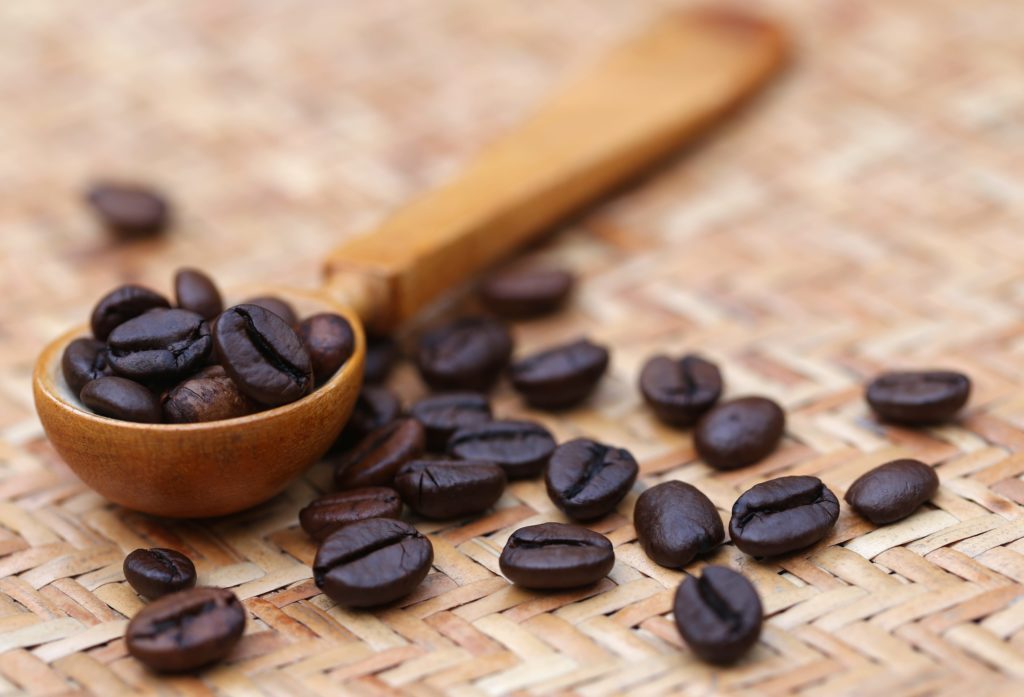
This is the one that catches people off guard. Lighter roasts actually contain more caffeine than darker roasts — but only when you’re comparing by weight rather than by volume. The roasting process burns some caffeine off, so more roasting means less caffeine. The difference per batch varies, and it won’t blow you away in isolation, but it does add up when you account for all the other variables.
Cup Size Matters
This one is obvious once you think about it — more coffee in your cup means more caffeine in your cup. The range is wild: from as low as 2mg all the way up to 728mg, depending on the brand and cup size. Here’s how some popular options stack up:
1 Ounce Shot
Espresso – 63 mg
8 Ounce Cup
Starbucks Pike Place Roast – 180 mg
Death Wish Instant Coffee – 300 mg
10 Ounce Cup
Dunkin’ – 215 mg
12 Ounce Cup
Folgers Classic Decaf – 2-8 mg
McDonald’s – 109 mg
Starbucks Pike Place Roast – 260 mg
Seattle’s Best – 260 mg
Death Wish Coffee – 728 mg
16 Ounce Cup
Starbucks Decaf Pike Place Roast – 25 mg
McDonald’s – 145 mg
Starbucks Dark Roast – 260 mg
Dunkin’ – 302 mg
Starbucks – 310 mg
Starbucks Blonde Roast – 360 mg
20 Ounce Cup
Starbucks Pike Place Roast – 410 mg
Dunkin’ – 431 mg
How Many Milligrams Of Caffeine Is In A Cup Of Coffee FAQs
How Much Caffeine Should You Have In A Day?
On average, 400 to 600 milligrams of caffeine per day is not a problem for most folks. However, it is best to remember that every person is different, with varying tolerances, health conditions, etc. If you are concerned about caffeine intake, please consult with your doctor.
Is Caffeine Bad For You?
Caffeine is present in most items we consume, including supplements, over-the-counter cold medications, etc. Caffeine intake is typically not a problem unless it is in large doses, which can cause anxiety, insomnia, panic attacks, rapid heartbeat, and other undesirable effects.
A Personal Note
We’re coffee enthusiasts, not medical professionals — but here’s our honest perspective after years of paying attention to this stuff:
The research cited above draws from published studies, but science keeps moving. What we think we know about coffee and health has shifted considerably over the decades, and it’ll keep evolving. We update content here when meaningful new findings come along.
Caffeine affects everyone differently. Some of us brew four or five cups a day and feel completely fine; others hit a wall after one strong cup. Pay attention to how your body actually responds rather than defaulting to general guidelines. Personally, I’ve found that tracking my intake for even a week gives me a much clearer picture than any chart.