
You can make latte art with regular coffee, but espresso produces better results due to its crema and concentration.
Latte art has gotten intimidating with all the high-end espresso machine photos flooding social media. As someone who spent months trying to get a decent pour pattern without an espresso machine, I learned what actually matters for making it work. Today I’ll share the whole picture — including the honest truth about what changes when you swap espresso for regular coffee.
Espresso Vs Regular Coffee
Espresso beans are typically roasted longer than standard coffee beans, producing those dark, glossy, almost-black beans you see at specialty cafes. That said, the roast isn’t actually what makes espresso espresso — the brewing method is. You can technically pull espresso with the same beans used for your morning drip coffee. The machine is what defines it.
Espresso machines force steam pressure through finely ground coffee. That pressure extraction produces an oily, concentrated coffee with an intensity that’s why it gets served in tiny shot glasses rather than full mugs. A few ounces of espresso carries a punch that a full cup of regular coffee takes time to deliver.
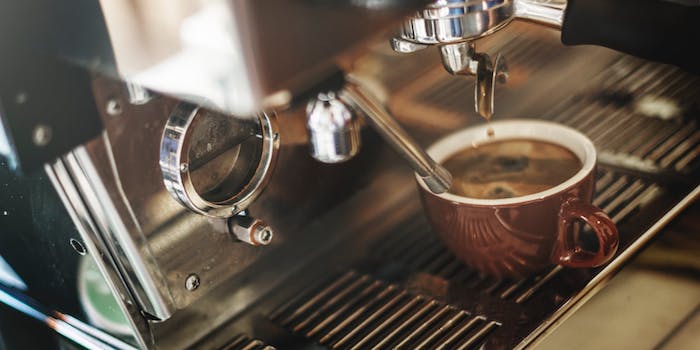
Regular drip coffee works the opposite way — hot water saturates the grounds and slowly filters down into a pot or mug. The flavor is milder and more diluted by design. It’s a completely different extraction philosophy, and that difference matters a lot when it comes to latte art.
Here’s a fun wrinkle: espresso actually has less total caffeine than a full cup of regular coffee. Espresso delivers 90-100mg per 1.5 ounces, while a standard cup of drip coffee contains around 128mg. But because espresso goes down in seconds rather than minutes, the caffeine hits faster — which is why people swear by it for that instant morning jolt.
Why Espresso Is Traditionally Used To Make Latte Art
Espresso produces a crema — that thin layer of reddish-brown foam that forms on top of a properly pulled shot. That crema is what latte art floats on. It gives the steamed milk something to interact with, creating the defined patterns and designs that make latte art visually striking. Regular coffee doesn’t produce crema, which is why designs are harder to maintain on top of it.
The latte itself started as a practical fix: espresso is intensely bitter on its own, so adding steamed milk mellows the flavor and makes it approachable. The word “latte” is just Italian for “coffee with milk.” A cappuccino uses frothed milk instead of steamed. Same base drink, different milk treatment, different texture and flavor outcome.
The art part came later. An Italian barista named Luigi Lupi started experimenting with milk froth shapes, creating the first latte art on espresso — starting with a simple heart. The trend reached the United States in the 1980s, where David Schomer picked it up and refined the technique further. From a single barista’s experiment to an international competition circuit is quite a journey.
Today latte art shows up everywhere — specialty cafes, home espresso setups, YouTube tutorials, world championship competitions. There’s even 3D latte art now, with baristas sculpting animals and cartoon characters out of foam. That’s what makes the craft endearing to those of us who just want a pretty heart on our morning cup.
But latte art isn’t just decorative. It serves a few practical purposes:
Improves The Taste Of Espresso
Steaming milk does something chemically interesting — the heat breaks down fats and sugars into simpler forms, making the milk noticeably sweeter. When that steamed milk meets the bitterness of espresso, the result is a balanced drink that neither ingredient could produce alone. The milk doesn’t just soften the flavor; it actually transforms it.
There’s a technique to getting this right, though. If you drop latte art foam directly onto espresso without integrating the steamed milk first, you end up with a layer of pure froth sitting on top of bitter coffee. Not ideal. The correct approach is to pour the steamed milk into the espresso first and stir it through, then finish with the foam layer for the design. That integration is what creates the balanced flavor experienced baristas are after.
Related Article: 15 COMMON MISTAKES TO AVOID WHEN STEAMING MILK
It Improves The Sensory/Flavor Experience
Coffee smell is part of why we like it so much — the aroma primes the brain to expect something good before the first sip. Latte art works similarly. Research has shown that visual presentation genuinely affects how we perceive flavor. A beautifully poured latte actually tastes better to most people than the same drink without any visual effort put into it. Our brains are weird like that.
It Implies A Quality Cup Of Coffee
When you order a latte at a specialty cafe and it arrives with latte art, something clicks in your brain: someone cared about this drink. That perception of quality is real and measurable — it influences how people rate the coffee before they even taste it.
Making latte art at home carries that same psychological effect. When you hand someone a coffee with a heart poured in it, they immediately assume effort was applied. They’re not wrong — but the good news is that effort pays off visually in ways that take less practice than you’d expect.
How To Make Latte Art With Regular Coffee
No espresso machine? No problem — with some adjustments, you can pull off basic latte art with regular coffee. The results won’t be as defined or dramatic as espresso-based art, and you won’t get the crema layer, but you can absolutely create recognizable designs. The key is making the coffee as concentrated as possible so it has enough density to hold a pattern.
A dark roast or strong-brewed coffee helps considerably. An Aeropress is my personal recommendation here — it can produce a coffee concentrate that’s thick enough to behave almost like espresso when it comes to holding a milk design. Probably should have led with this honestly, because it changes the whole game.
Brew Regular Coffee
Brew a strong cup using your method of choice — ideally Aeropress with extra grounds, or a drip machine using more than the standard ratio. Pour it into your mug. The narrower the mug, the easier latte art becomes.
Steam And Froth The Milk
Fill a microwave-safe jar with a lid about halfway full with milk. Seal it tight and shake vigorously until the milk gets frothy and roughly doubles in volume. Pull the lid off and microwave for about 30 seconds. That heat stabilizes the foam and brings it to the right temperature for pouring. A dedicated milk frother works even better if you have one.
Add The Heated Milk To The Coffee
Pour the warm steamed milk into the coffee first, holding back the foam with a spoon. This integrates the milk into the coffee and creates the base layer your art will float on.
Finish With Your Favorite Latte Art
Lower the jar close to the surface of the coffee. Starting from the back of the cup, pour the remaining milk and foam while moving your wrist gently from side to side. Watch a design emerge on the surface. A sprinkle of nutmeg or cocoa powder on top adds a nice finishing touch and covers any imperfect edges in the pattern.
Try a different way to froth your milk:
Related Questions
What is the Best Type of Milk to Use For Latte Art
Whole milk, because of its high-fat content, produces the most decadent, smooth taste in the coffee; however, because it has such a high-fat content when it comes to making the froth, it can be more challenging. Therefore, if you are not an expert in making froth, it will take some practice to perfect froth using whole milk.
On the other hand, fat-free milk and skim milk produce the largest foam bubbles, and they are also easier to achieve milk froth for coffee makers of all levels. However, the absence of fat in the milk creates a more light and airy froth as opposed to the rich, decadent foam of whole milk, so it won’t taste as rich in your coffee.
2% milk will also froth well, it provides a creamier flavor than nonfat milk, but other kinds of milk, such as soy milk and lactose-free milk, maybe the hardest of all to achieve milk froth, and when they do, the froth doesn’t last as long.
How Can I Learn to Make Different Latte Art Designs?
The best way to learn to make different latte art designs is by experimenting with various pours to come up with different creations, perhaps maybe even your own signature design, which is sure to impress your guests, and then practice them often until you perfect them.
However, if you are really serious about learning latte art, various cafes also offer latte art classes. Sometimes local culinary arts schools or specialty markets, and more, will also offer latte art instruction, so check for a venue near you.
Can I Add Latte Art to Other Drinks?
Latte art can be used for just about any beverage that uses steamed milk or milk foam, including hot chocolate and tea lattes. It can even be used when making cold brew coffee, iced lattes, and iced cappuccinos; however, you will use cold milk froth, as opposed to hot milk froth, which is made by simply frothing cold milk.
Related Article: WHAT IS A SKINNY LATTE?
The Bottom Line
Latte art without an espresso machine is genuinely doable. You’ll get better results with strong coffee and a good frother than you will with watery drip and a jar-shaking technique — but even the jar method works as a starting point. The technique matters more than the equipment once you’re past a certain threshold.
Start with the heart — it’s the easiest design and the one that most immediately reads as intentional. Practice the wrist movement a few times with just water and milk before attempting it on actual coffee. Once the muscle memory develops, the rest comes faster than you’d think. Coffee rewards the patient experimenter.