
Bitterness in coffee usually comes from over-extraction or low-quality beans. Here are seven ways to fix it.
For three years straight, I blamed my grocery store for selling bad coffee beans. Turns out I was over-extracting every single cup — brewing at too high a temperature with too fine a grind and leaving it too long. Once I fixed those three things, the “bad beans” suddenly tasted great. Here’s what I wish someone had told me sooner.
1. Avoid Over-Extraction
Over-extraction is the single most common cause of bitter coffee. Essentially, it means the coffee has brewed for too long — pulling out flavor compounds you didn’t actually want in the cup. It’s an easy mistake to make, and one that I kept making for years because I figured longer meant stronger.
Timing is where most people go wrong. Every brewing method has a sweet spot, and when you miss it, too many bitter compounds make it into the cup. With a French press, for instance, leaving the grounds steeping too long is the culprit. Brewing coffee too long is probably the most fixable mistake there is.
With a French press, pushing the filter down a little earlier than you normally would is sometimes all it takes. Drip machines are less adjustable in this regard, which is where tip number two comes in handy.
2. Don’t Grind the Beans Too Finely
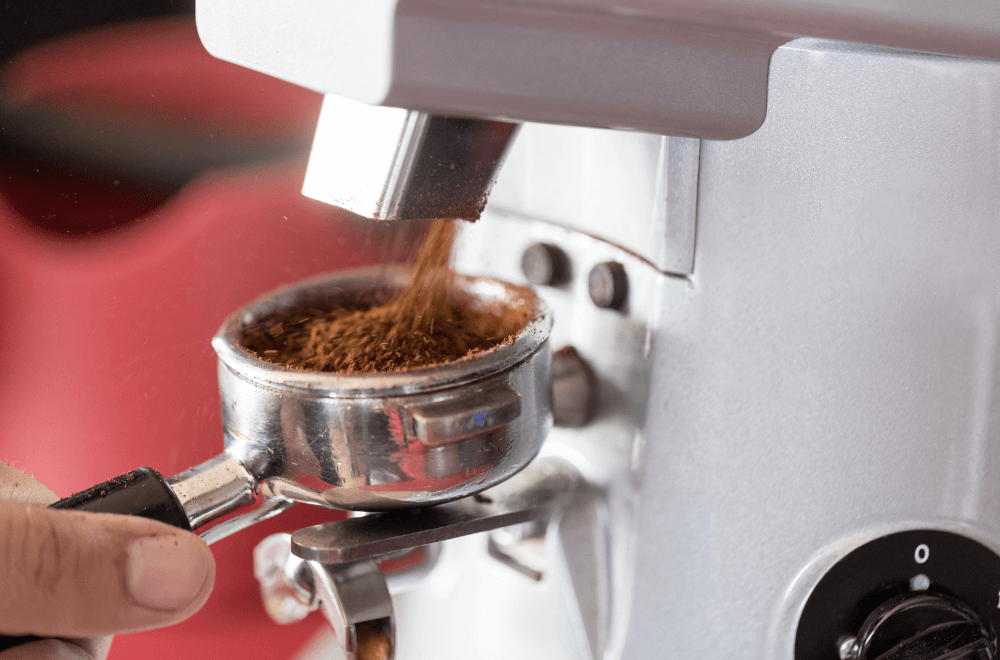
Grind size affects extraction speed more than most people expect. The finer the grind, the more surface area is exposed, and the faster flavor compounds release into the water. Go too fine and the good flavors extract almost instantly — leaving nothing behind but the bitter ones.
That’s why espresso uses an ultra-fine grind with a very short brew time, while cold brew uses coarse grounds and steeps for 12-plus hours. Both produce strong coffee, but through completely opposite approaches to grind size. Once I understood the logic behind it, adjusting became intuitive.
Coarser grounds let water pass through more quickly, which naturally shortens the extraction window and reduces bitterness. Don’t worry if it takes a few attempts to dial in the right setting — even experienced brewers mess with grind size constantly.
3. Use Water… That’s The Right Temperature
Water that’s too hot extracts aggressively. The ideal range is 195 to 205 degrees Fahrenheit — anything above that pushes you into bitter territory fast. Boiling water at 212°F sounds like a small difference, but in brewing terms it’s significant.
If you want precision, a kitchen thermometer takes the guesswork out entirely. Getting to the right temperature might require a few test runs to see how your specific setup performs, but it’s worth doing at least once to understand what you’re aiming for.
4. Use Less Water
Here’s one that surprised me: too much water actually makes coffee taste more bitter, not weaker. When there’s excess water relative to the grounds, each individual particle ends up over-extracted — every bit of flavor, including the unpleasant bitter compounds, gets fully pulled out.
Adjusting the coffee-to-water ratio is often the quickest fix available. Fewer water means less over-extraction. If you’re using a French press, pressing the plunger down about 30 seconds earlier than usual also helps. For pour-over methods, a slightly coarser grind speeds up water flow and naturally reduces the extraction time.
5. Lighten Up
Dark roasts taste bitter because of what happens during the roasting process itself. The chemical reactions — caramelization and the Maillard reaction — that create dark coffee’s signature flavor also produce more of the bitter compounds. That’s just chemistry. Light roasts don’t go through the same intensity of those processes, so they naturally carry less bitterness.
If dark roast is leaving you with a consistently bitter cup, try stepping down to a medium or light roast. Arabica varieties tend to be the most approachable on the lighter end of the spectrum. When in doubt, ask the person at your local coffee shop — they genuinely enjoy that kind of conversation.
6. Mind Your Beans
Coffee beans absorb flavors from their environment. Leave them sitting on a kitchen counter near other foods and they’ll pick up those flavors — which can translate into a weirdly off-tasting, bitter cup that has nothing to do with your brewing technique.
Stale beans are an even more common culprit. When I troubleshoot a bitter cup and can’t find an obvious brewing cause, the beans are the first thing I check. Old coffee is usually worse coffee. Keeping beans fresh is one of the more underrated fixes available to most home brewers.
5 Tips For Making Brewed Coffee Less Bitter
Sometimes you find yourself staring at a bitter cup that’s already been brewed. At that point, adjusting water temperature or grind size isn’t going to help. You need a rescue plan — and there are actually several decent options.
1. Salt
A pinch of salt in the cup sounds bizarre, but it works. Salt suppresses bitterness perception on the palate without adding any actual flavor of its own. You won’t taste the salt — you’ll just notice the coffee tastes less harsh. It won’t fix a truly terrible brew, but it’ll make a mediocre one drinkable. I keep a small shaker near the coffee station specifically for this.
2. Sugar
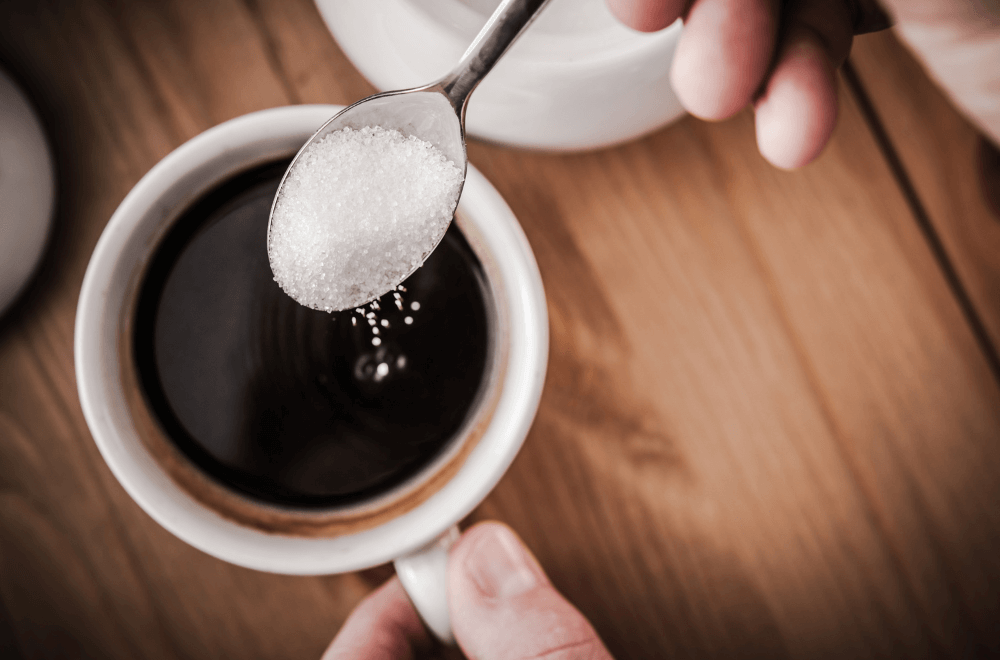
Sugar masks bitterness effectively, though it doesn’t eliminate it. One or two teaspoons will usually soften a bitter cup enough to drink without overwhelming it with sweetness. It’s not a fix — it’s a workaround — but it’ll get you through the morning when a re-brew isn’t an option.
3. Creamer
Creamer does a solid job of softening bitterness, especially if the cup is seriously over-extracted. The fat in creamer coats the palate and rounds off the harsh edges. Nobody wants to pour good creamer into a salvage operation, but nobody wants to throw coffee out either. Try a splash first and see if it’s enough.
4. Cinnamon
Starbucks made cinnamon a mainstream coffee addition, but it works equally well at home. A small amount added directly to the cup can dial down the perceived bitterness while adding a complementary warmth. The key word is “small” — too much cinnamon becomes its own problem. Start with less than you think you need.
5. Citrus
A squeeze of lemon or orange juice can counteract bitterness through acid. It sounds counterintuitive — more acidity to cut bitterness? — but it actually works, in small doses. This one is exclusively for black coffee drinkers. Adding citrus to a coffee with milk will curdle it immediately, which is not a good time.
Also: this tip is for the cup after brewing. Adding citrus to your beans before they go in the grinder will not improve anything for anyone.
The Bottom Line
Bitterness is almost always fixable. Start with the most likely culprit — grind size or brew time — and work outward from there. Most bitter coffee problems trace back to over-extraction, and that’s one of the easiest variables to adjust once you know what you’re looking for.
Your water, your beans, your grinder, and even the ambient humidity create variables that shift from day to day. Understanding the why behind each tip gives you the tools to troubleshoot in real time rather than just following a recipe blindly. Coffee brewing rewards that kind of curiosity — especially on the mornings when everything seems to go wrong at once.