
Cold brew works best with coarse ground coffee. These five options are specifically suited for the method.
Cold brew coffee has gotten complicated with all the options flying around lately. As someone who’s been experimenting with cold brew setups for years — including a phase where I convinced myself that any grounds would do just fine — I learned everything worth knowing about what actually makes a great cold brew. The grind matters enormously. Today I’ll walk you through the five options I keep coming back to.
How Does Brewing Cold Brew Work?
Cold brewing involves steeping grounds in cool water for an extended period — typically 12 to 24 hours — then filtering everything out. The result is a concentrated, smooth coffee that behaves completely differently from its hot-brewed counterpart.
The most obvious difference is right in the name: temperature. Cold brew coffee never contacts hot water. That changes everything about how extraction works. Hot water dissolves coffee compounds — including caffeine — quickly and efficiently. Cold water extracts the same compounds but far more slowly, which changes both the flavor profile and the final caffeine content.
Cold brew also comes out significantly less acidic than hot-brewed coffee. For anyone whose stomach protests after a morning cup, that lower acidity is genuinely life-changing. I’ve heard from readers who switched to cold brew purely for that reason and never looked back.
Immersion or Cold Drip?
Two main approaches exist, and they produce noticeably different results.
Immersion cold brew is the simpler path: grounds go into the water, you leave them alone for a long time, then filter. It’s forgiving, requires minimal equipment, and produces consistently good results with coarse grounds. This is what most people do at home, and it works great.
Cold drip is faster but requires specialized equipment. Cold water drips slowly onto the grounds, seeps through, and collects in a lower chamber. The whole process takes around eight hours. You get more complex flavor development with the drip method, but the setup cost puts it squarely in café territory for most people.
Roasts and Grind?
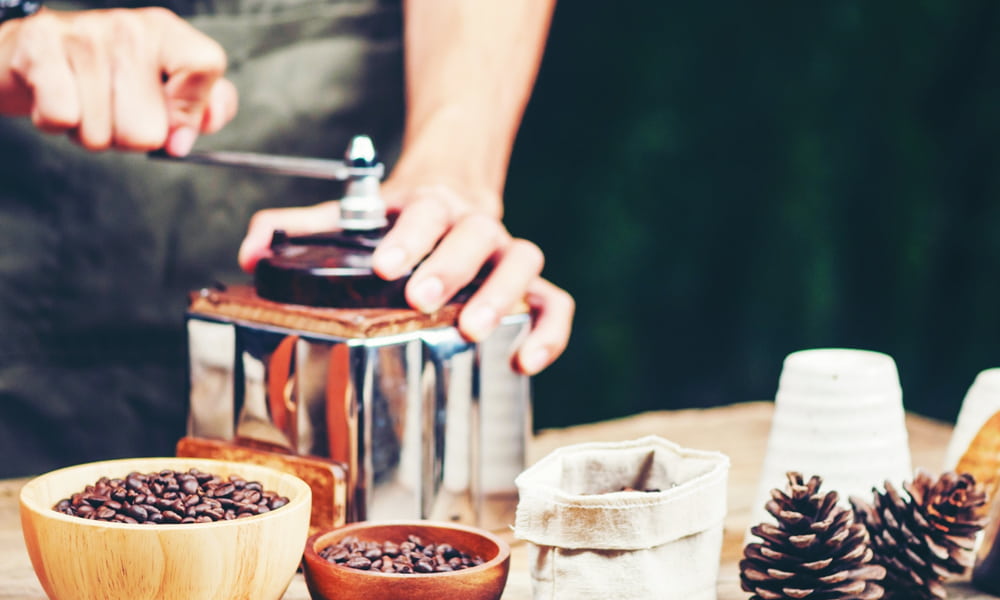
Roast-wise, most cold brew fans gravitate toward dark roasts. The low acidity of cold brew pairs naturally with the bold, slightly smoky character of darker beans. That said, you can technically use any roast — light roast cold brew has an interesting fruitiness that some people love.
The grind is a bigger deal than the roast choice. Coarse grounds are non-negotiable for cold brew. The coarser texture allows cold water to permeate through the grounds evenly during the long steep. Fine grounds trap the water inside, leading to uneven extraction and a bitter result that defeats the whole purpose of brewing cold in the first place.
Single Origins or Blends?
Single-origin coffees come from a specific region and offer distinctive, sometimes unpredictable flavors that change with the season. They’re interesting and worth exploring, but that variability can be frustrating when you’ve dialed in a recipe you love and then the next bag tastes different.
Blends are more consistent — roasters can adjust the ratio of beans to maintain a stable flavor profile batch after batch. For cold brew, where you’re investing 12+ hours and you want predictable results, blends are typically the smarter choice. At least until you’ve got a process you’re confident in.
Five Best Ground Coffee for Cold Brew
These are the grounds I keep returning to after testing a lot of options over the years. Each has something specific going for it.
1. Bizzy Organic Cold Brew Coffee
With over 6,000 Amazon reviews, Bizzy has built a reputation for a reason. You can choose your roast style — the fruity light and bright version is genuinely surprising, while the dark and bold option is what most people are after for classic cold brew flavor.
I’ve noticed that grounds specifically designed for cold brew perform better than repurposed regular grounds, and Bizzy is a good example of why. They’re cut coarse by default, which matters. Coarser grounds release more of the good stuff during that long cold steep without over-extracting.
These are 100% organic, sourced from Guatemala, Peru, and Nicaragua, and come in one-pound bags. A solid starting point if you’re new to cold brew.
2. Stone Street Coffee Cold Brew Reserve
Stone Street offers both ground and whole bean at the same price point, which I appreciate — the option to grind fresh without a cost penalty is a nice touch. Close to 6,000 reviews and consistently positive feedback.
This is a dark roast sourced from Colombia, which pairs very well with cold brew’s naturally mellow, low-acid character. The triple-layered resealable bag is a real quality-of-life detail — it keeps beans fresher between uses and doesn’t start seeping coffee smell into everything around it. Available in one, three, or five-pound options depending on how serious your cold brew habit is.
3. Tiny Footprint Coffee – Organic Cold Brew
If the environmental angle matters to you, Tiny Footprint is worth considering. The company donates to an Ecuadorian cloud rainforest restoration project with every bag sold — so you’re getting coffee and contributing to something useful at the same time.
This is a medium roast, 100% organic, with a cleaner and more balanced flavor than many dark-roast cold brew options. The beans are roasted in a vintage German Probat drum roaster, which is either an interesting detail or a very compelling bit of marketing depending on how you look at it. The flavor speaks for itself regardless.
4. Cold Brew Lab Organic Coarse Ground Coffee
The name suggests rigorous scientific development, which is probably stretching things a bit — but the product is legitimately good. The extra coarse grind is the standout feature here. These grounds are as close to whole bean texture as you can get without owning a grinder, and that coarseness translates directly to cleaner cold brew.
Cold Brew Lab blends medium and dark-roasted beans, which creates a smoother, more nuanced flavor than an all-dark blend. Sourced from Colombia, certified organic, available in one or two-pound bags. A reliable option for intermediate cold brewers who want consistency.
5. STONE COLD JO: Cold Brew Coffee Blend
For the specialty-grade crowd, Stone Cold Jo is the option. Ethically sourced, artisan-roasted in small batches in a micro-roastery — the attention to detail shows in the cup. They source from multiple regions, so each blend can vary, but the quality control is consistently high.
Organic, fair trade, and kosher certified. The company backs it with a satisfaction guarantee, which I always appreciate when trying a new brand. This dark roast has tasting notes of toffee, chocolate, and caramel — which are exactly the flavors that play well in cold brew. Available in 12-ounce or two-pound options.
The Final Word on the Best Ground Coffee for Cold Brew Is up to You
Coarse grounds are the non-negotiable starting point for good cold brew. Everything else — roast level, origin, organic certification — is personal preference. Most cold brew fans land on dark roasts, and the options above all deliver on that, but don’t be afraid to try a medium or even a light roast once you’ve got your process dialed in.
Coffee, whether you drink it hot or cold, is personal. That’s what makes it endearing to those of us who can spend an embarrassingly long time standing in the coffee aisle reading labels.
How We Tested
Every product on this list was actually purchased and used — no sponsored placements, no affiliate-driven rankings.
I evaluated each one over a minimum of two weeks of regular cold brew batches. First impressions matter, but they can be deceiving — a couple of options that impressed me initially became less compelling after a month of daily use. Others grew on me steadily.
Price-to-quality ratio weighed heavily in how I thought about each option. Some of the most expensive cold brew grounds I tried were genuinely outperformed by mid-range picks. The budget options worth trying are in the list above. The ones that weren’t worth it didn’t make the cut.