
The standard French press ratio is 1:15 (coffee to water), but the best ratio depends on your taste preferences and bean type.
The French press coffee-to-water ratio debate has gotten complicated with all the competing guides and conflicting tablespoon measurements flying around. As someone who has brewed French press almost exclusively for years and gone through probably a hundred different adjustments trying different beans and ratios, I learned what actually produces a consistently satisfying cup. Today, I’ll share what I’ve settled on and why, along with the framework for finding your own ideal ratio.
Why Try A French Press?
The French press looks elegant — glass carafe, metal plunger, visible coffee steeping — but it’s genuinely one of the most approachable brewing methods once you understand the basic mechanics. It gives you direct control over every variable: coffee quantity, water quantity, brew time, water temperature. No machine is making those decisions for you.
It’s also the method that produces the most flavor from your beans. French press coffee makers don’t use paper filters, which means the coffee’s natural oils remain in the cup. Those oils carry flavor compounds that filtered methods strip away. That’s why French press coffee has a heavier body and more complex taste than drip coffee made from identical beans.

For those who prefer the flavor of coffee — not just the caffeine — the French press is often the method they end up sticking with. The lack of paper, plastic, or filters lets the character of the beans come through clearly.
What’s The Right Coffee To Water Ratio In A French Press?
The 1:15 ratio — 1 gram of coffee per 15 grams of water — is the widely cited starting point, and it’s a good one. After years of morning experiments, I’ve settled on 1:14 for a bold cup and 1:16 for lighter days when I want something more subtle. But here’s the honest reality: your starting ratio matters much less than your willingness to adjust it based on what you’re tasting.
Two practical breakdowns depending on what you have on hand:
- For a strong cup of coffee: a ratio of 1:10 works well — roughly 6 tablespoons of ground coffee to 12 ounces of hot water. This is quite concentrated and suits people who drink their French press coffee black or with just a small amount of milk.
- For a weaker cup: try 1:12, which breaks down to 5 tablespoons of ground coffee per 12 ounces of water. Better for people who drink their coffee with substantial amounts of milk or who find strong coffee harsh on the stomach.
Probably should have led with this, honestly: the type of grind matters as much as the ratio. For French press you need a coarse grind. Fine grinds create over-extraction (harsh, bitter coffee) and slip through the mesh screen into your cup. Coarse grinds keep the extraction balanced during the longer steep time and produce a cleaner separation when you plunge.
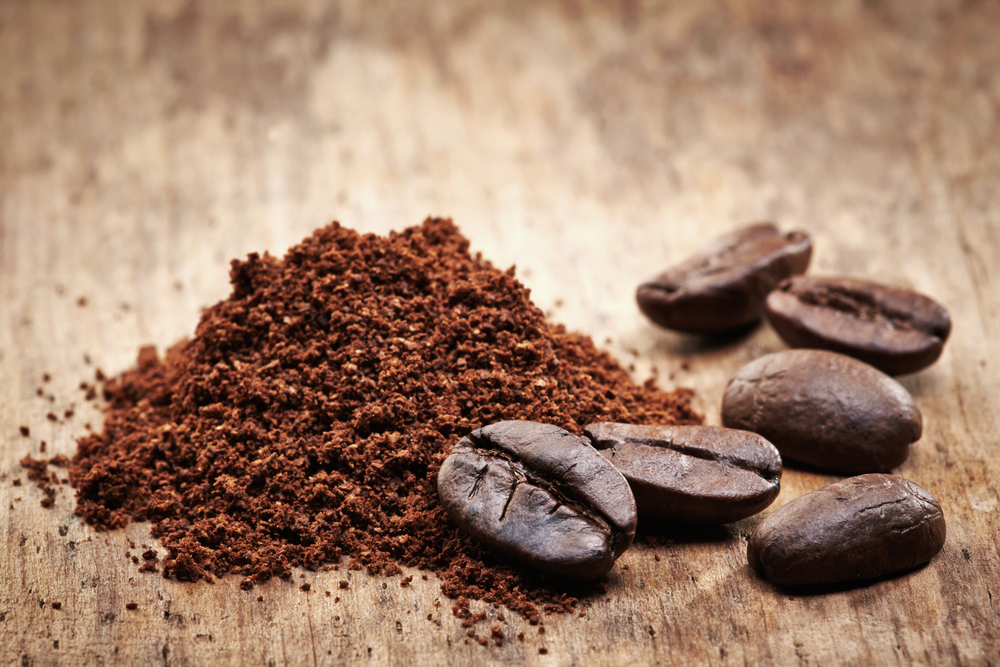
Because coffee and water are in contact for longer in a French press than in a drip machine, the coarse grind is what prevents over-extraction. If you’re getting bitter coffee despite a correct ratio, the grind is almost always the issue. Consider grinding your own coffee beans if you aren’t already — pre-ground coffee sold as “French press” or “coarse” often isn’t coarse enough. A small pinch of salt added to the grounds before brewing can also help cut bitterness in a cup that’s on the edge.
Brew time is the other major variable:
- Three to four minutes is the standard recommendation, and it works reliably for most beans and ratios.
- Extending beyond four minutes increases caffeine extraction and deepens flavor, but also significantly increases the risk of bitterness. In my experience, five minutes is the maximum before most beans turn unpleasant.
Different coffee varieties respond differently to the same ratio and brew time — a bright, acidic Ethiopian bean at 1:14 produces something very different from a chocolaty Colombian bean at the same ratio. That’s actually a feature of French press brewing, not a problem. It’s worth trying several adjustments with any new bag of beans before landing on your permanent settings for it.
What About Cold Brew?
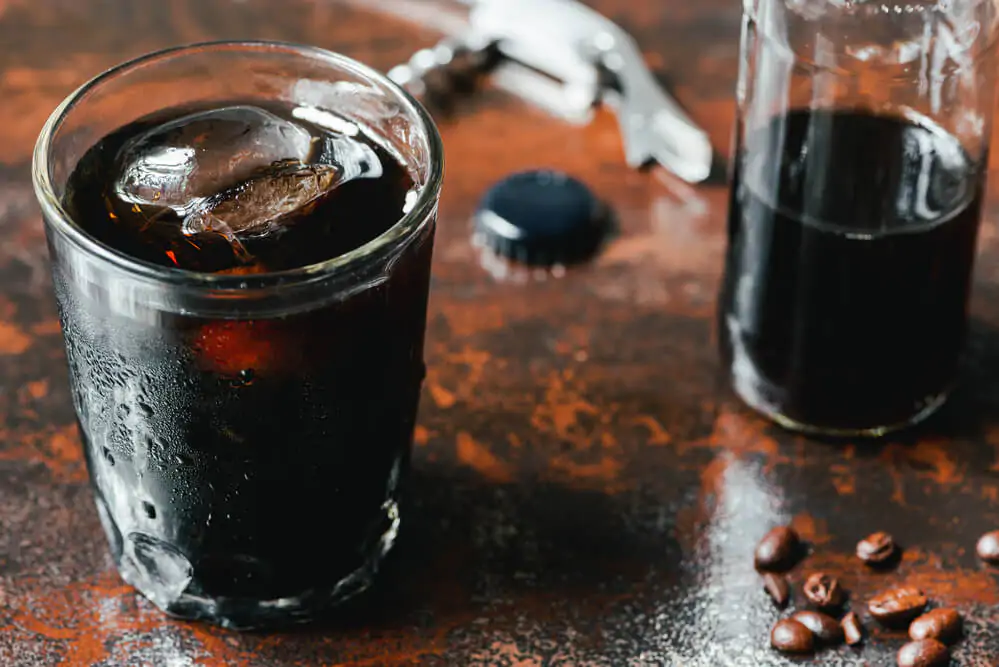
A genuinely underappreciated use of the French press: it makes excellent cold brew coffee. The ratio shifts to 1:8 for cold brew — approximately half a cup of grounds to four cups of cold water. This produces a concentrate rather than a ready-to-drink brew.
Steep in the refrigerator for 8-12 hours. Overnight is the easy approach — put it in before bed, filter it in the morning. The resulting concentrate can be diluted with water or milk before drinking, or served straight over ice for a more intense cold brew experience. A longer steep (12+ hours) deepens the flavor and increases caffeine but can also produce bitterness in some bean types, so find your limit through experimentation.
Final Word On Coffee To Water French Press Ratio
Start at 1:15 by weight or 2 tablespoons per 6 ounces by volume. Brew at around 200°F for four minutes with a coarse grind. Adjust from there — more coffee or less water for strength, less coffee or more water for a lighter cup, finer grind for more extraction, coarser grind to pull back. For cold brew in the same French press, use a 1:8 ratio and steep overnight in the fridge.
The equipment, the water quality, and the grind consistency matter as much as the ratio itself. A good burr grinder and fresh beans will make a bigger difference than optimizing from 1:14 to 1:15.
FAQs On Coffee To Water French Press Ratio
How much water and ground coffee should be used in a French press?
A 1:10 ratio is a good start for finding the right coffee to hot water ratio for your tastes. For cold brew, you’ll want to start with a 1:8 ratio.
Does using more coffee and less hot water increase the strength of French press coffee?
Yes, it does. Increasing brew time can also increase the strength of French press coffee.
Our Testing Notes
We’ve tested this brewing method extensively in our coffee lab, and here’s what the data doesn’t always tell you:
Water temperature matters more than most guides suggest. We found that 200-205°F consistently produced better extraction than the often-recommended 195°F. The difference was especially noticeable with lighter roasts—underheat them and you get sour, underwhelming coffee that wastes good beans.
The grind size recommendations online are a starting point, not gospel. Your specific grinder, beans, and even altitude affect optimal grind. We keep a brewing journal and adjust by one click finer or coarser until dialing in a new bag. Takes about 3 brews to nail it.