
You can usually get coffee at any airport. But can I bring coffee beans on a plane? Read on to learn the answer.
The US Transportation Security Administration (TSA) allows passengers to bring coffee beans through airport security in carry-on baggage. If you are traveling internationally, be aware that you may face regulations in your destination country regarding importing food products like coffee beans. Some countries have strict regulations about bringing in foreign food products to protect their agriculture industries from pests and diseases. Therefore, always check the customs regulations of the country you’re traveling to.
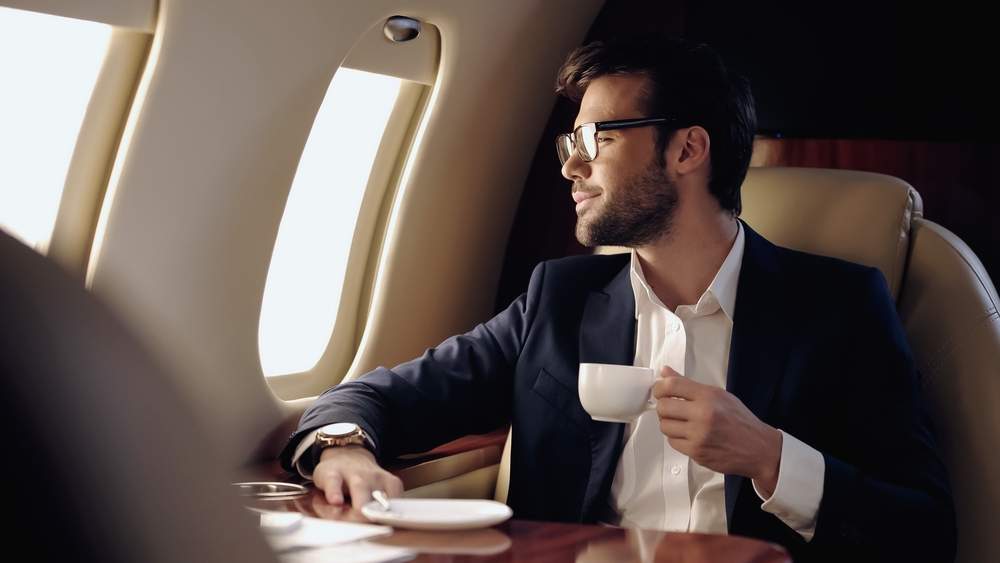
Brewed or fresh coffee is harder to bring on a plane. Typically, liquids are not allowed through security if they are over 3.4 ounces, which is far less than a standard cup of coffee. However, sometimes coffee is available to purchase after security. If you buy the coffee at the airport after you get through security, you may be able to take it on the plane, depending on the airline‘s rules. Of course, many planes also carry coffee as well. You can order coffee on the airplane once you board if you need your caffeine fix!
Can I Bring Coffee Beans On A Plane

The Transportation Security Administration typically allows you to bring ground coffee through airport security in your carry-on back. However, we do recommend keeping it to less than 12 ounces of coffee. That’s about the size of a standard soda can.
If you bring on more than that, the TSA may disallow it if they cannot be assured of its safety. It falls into the category of powdered substances, which come with their sorts of rules. Any coffee should be in a resealable bag or pre-packaged. Be sure it is in a secure container, as bags are sometimes treated roughly. You can also bring coffee in your checked luggage if you’re boarding a flight within the United States.
International flights are more complicated. Domestic airports will allow you to take the coffee with you, but not all foreign countries will allow you to bring coffee beans into the country. Therefore, be sure to check with the specific country you’re traveling to.
The same TSA rules apply no matter where your destination is. You’ll have to obey their rules once you get to the other country. These are likely different from the TSA rules. Many countries require ground coffee to be in the original packaging and unopened.
The U.S. usually allows you to bring foreign, ground coffee with you from a foreign country. However, you must still declare them to the U.S. Customs and Border Protection. Coffee counts as a “food item,” even though you don’t technically eat it. The penalty for not declaring food items can be steep. Most of the time, there is no reason to avoid declaring them, either. The CBP can randomly search arriving passengers, so you could be in trouble if you don’t declare the coffee!
Can You Take Coffee On A Plane After Security?
Yes, if you purchase the coffee after security, you can bring it onto the plane with you. You can even bring your empty bottle or travel mug and fill that up after security. You can purchase any drink at the airport and bring it to the plane. If the airport sells coffee, that would be included under this rule.
Some special “lounges” for frequent flyers also have free coffee in them. If these are located after security, you can fill up on coffee there and bring it onto the plane with you.
Can You Take Drinks On A Plane?
If you purchase the drink after security, you can bring it on the plane. You could bring your own Yeti cup and bring it empty through security. Then, fill it up with coffee from a store inside the airport and bring it to the airport. You can also fill it up with the coffee offered on the plane.
The only rule is that the cup has to be empty when you pass through security. Keep in mind that security officers at the airport have the final say if a particular item is allowed through the checkpoint
The takeaway: bring your travel coffee mug and fill it up with coffee after you’ve passed through security. The only people that care about your liquids are those at the security checkpoint so they will allow you onto the plane with a full mug.