
Coffee pods themselves are not unhealthy, but some concerns exist about plastic exposure and coffee freshness.
Whether coffee pods are healthy has gotten muddled with all the sensational headlines and competing industry claims flying around. As someone who uses pods occasionally for convenience while also being genuinely interested in what’s actually happening when hot water passes through those little capsules, I looked into the research carefully. Today, I’ll give you the honest picture — not the alarming version and not the reassuring marketing version.
What Are Coffee Pods?
Coffee pods are single-serve coffee containers designed to produce one cup of coffee with no measuring required. The machine pierces the pod at the top and bottom, forces hot water through the compressed grounds inside, and delivers brewed coffee directly into your cup. The simplicity is the entire point — no grinder, no filter, no dosing, no cleanup.
Pods come in plastic, aluminum, paper, and various combinations of those materials. Some brands have described them as “like a cigarette” in terms of their single-serving nature and the habit-forming quality of their caffeine delivery. That’s a dramatic comparison, but it’s worth noting that the convenience factor is deliberately engineered to encourage regular use — which isn’t inherently bad, just worth being aware of.
What Is Inside The Coffee Pods?
Most pods contain ground coffee that’s been roasted, ground, and sealed into the capsule. Higher-end brands like Nespresso source quality beans and process them carefully before sealing — the capsule itself serves as a preservation mechanism, protecting the grounds from oxidation between roasting and brewing.
The main health concern that researchers have identified is the compound furan, a chemical that forms when coffee is roasted and heated. A study led by Javier Santos at the University of Barcelona found that espresso machines and capsule systems produce different levels of furan compared to drip coffee makers. The important context: the same researchers confirmed that the furan levels in coffee pod preparations fall within safety guidelines. The concern only arises with excessive consumption — something that applies equally to coffee prepared by any method.
Probably should have led with this, honestly: coffee in any form has been studied extensively and is considered safe by all major food safety authorities. The specific concerns about pods are real but proportionate — worth knowing about, not worth catastrophizing over.
The Downside Of Coffee Pods
The practical downsides of pods are more relevant to most people than the health concerns. Flavor is the most significant — pod coffee doesn’t taste as good as freshly ground coffee prepared by a skilled hand. The grounds are pre-ground and sealed, which means they’ve already lost volatile aromatics compared to freshly ground beans. This is the trade-off for convenience, and it’s a real one.
In my experience, the freshness issue is the biggest quality gap. Fresh specialty coffee has a complexity that pod coffee — even premium pod coffee — doesn’t quite replicate. If flavor is your primary concern, pods are a compromise. If convenience is your primary concern, pods are a practical choice that doesn’t require you to sacrifice your health.
Other practical limitations: you can’t adjust the coffee strength without using multiple pods or choosing a different pod. Pod machine systems are often brand-specific, which limits your choice of coffee. And the per-cup cost of pod coffee is considerably higher than freshly ground beans brewed by any other method.
What Are The Coffee Pods Made Of?
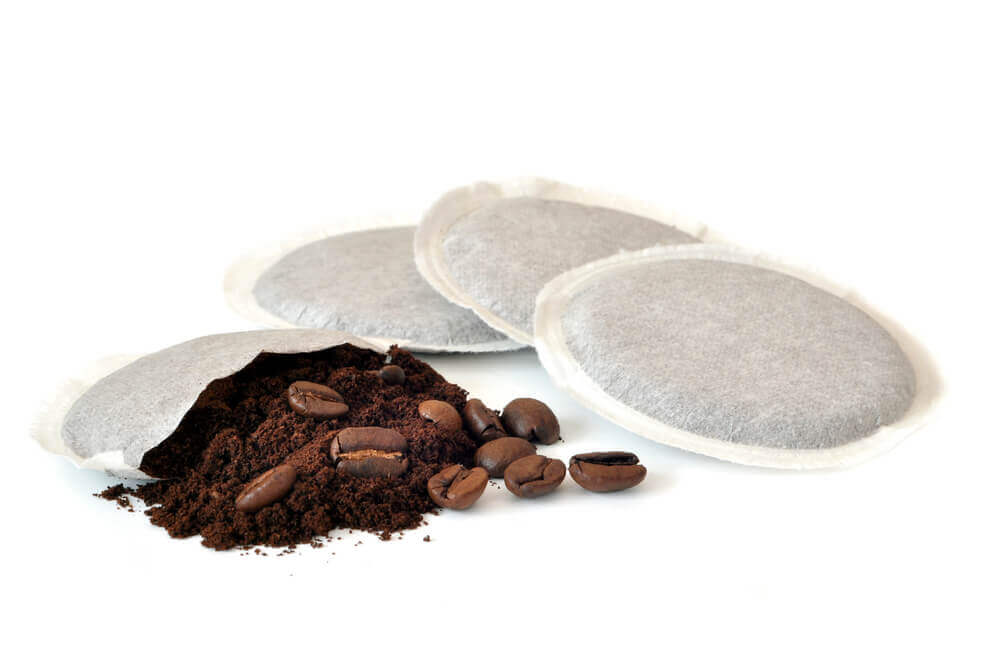
Pods come in two mechanical types: soft pods for drip machines (non-pressurized) and hard pods for espresso machines. Materials vary by brand — aluminum, plastic, paper, and compostable materials are all in use.
The plastic concern: some plastic pod brands have been found to contain bisphenol F (BPF) and bisphenol S (BPS), both of which are endocrine disruptors linked to hormone imbalances, weight gain, and fertility concerns. This is a legitimate concern for brands that use these specific plastics.
Nespresso uses aluminum pods primarily, and their pods don’t contain bisphenols. Aluminum pods also have the advantage of being recyclable, though Nespresso’s own recycling programs have limited geographic coverage. The environmental concern about pod waste is real and separate from the health concern — millions of pods end up in landfills annually.
How Many Calories Are In Coffee Pods?
Black coffee from a pod, regardless of brand, contains essentially no calories — a Nespresso espresso shot has around 0.6 kcal, and a lungo about 1 kcal. These numbers are negligible.
The calorie situation changes when the pod contains additional ingredients. Dolce Gusto cappuccino pods, for example, contain milk powder and sugar inside the pod, bringing the calorie count to around 80 per serving. The americano pods at 2 calories are more typical of a pure coffee pod. Milk added separately to any black pod coffee adds calories consistent with whatever milk you use — 65 kcal per 100ml for whole milk, 37 for skim.
Alternative To Coffee Pods
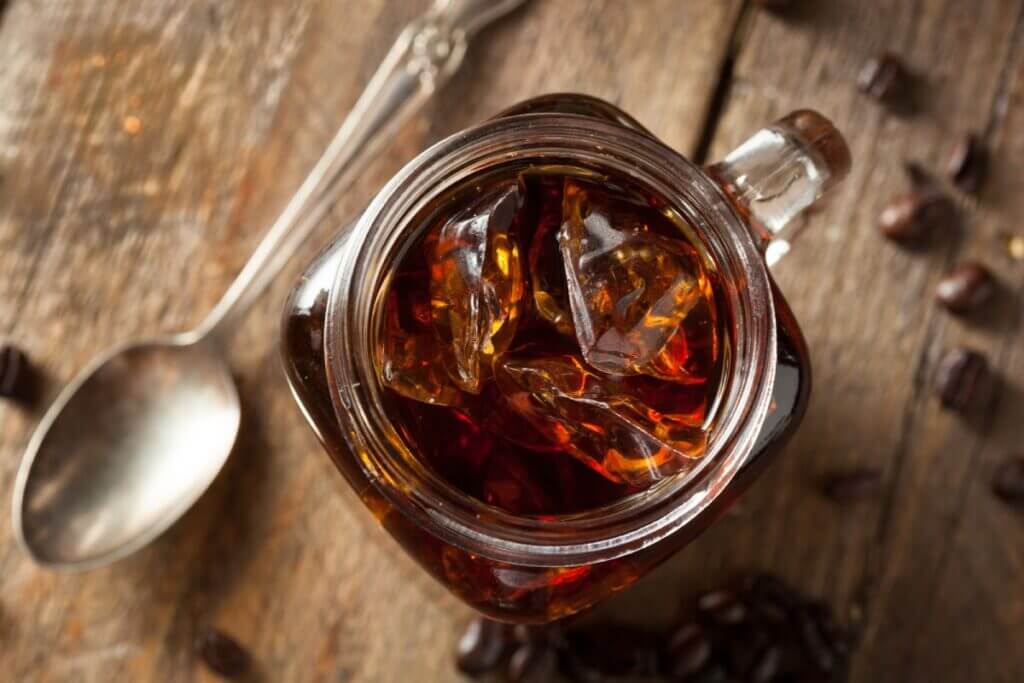
Freshly brewed coffee from whole beans is the alternative — more work, better flavor, lower cost per cup. French press, pour-over, Aeropress, and moka pot all produce coffee that most people who care about flavor prefer over pods. The trade-off is the additional equipment, grinder, and time commitment that pods eliminate.
Pods serve a specific use case well: when you need good-enough coffee fast with minimal cleanup and no skill required. For daily home use where you have time and equipment, freshly ground beans are worth the effort. For travel, office use, or genuinely rushed mornings, pods are a rational choice that doesn’t meaningfully compromise your health.
Environmental Coffee Pods
The environmental picture has improved considerably in recent years. Reusable stainless steel or BPA-free pods are now widely available and work in most pod machines — they let you use your own freshly ground coffee in the pod format, which addresses both the environmental concern and the freshness concern simultaneously.
Compostable pods made from paper and biodegradable materials are another option growing in availability. They eliminate the landfill concern for people who have access to composting. The limiting factor remains consumer behavior — the best recycling or composting infrastructure only works if people actually use it consistently.
A Note From Our Team
We’re coffee enthusiasts, not doctors—so here’s our honest perspective:
The research cited above comes from peer-reviewed studies, but science evolves. What we know about coffee and health has changed dramatically over the decades, and it’ll likely continue to evolve. We update our content when significant new findings emerge.
Everyone’s body responds differently to caffeine. Some of us on the team drink 4+ cups daily with zero issues; others get jittery after one. Pay attention to how YOU feel rather than following general guidelines blindly. Your body knows better than any study.